
How to Experience a Toronto Blue Jays Game Like a Local
Everything you need to plan a trip to Rogers Centre, from getting there and picking seats to the small habits regulars rely on that no scoreboard will tell you.

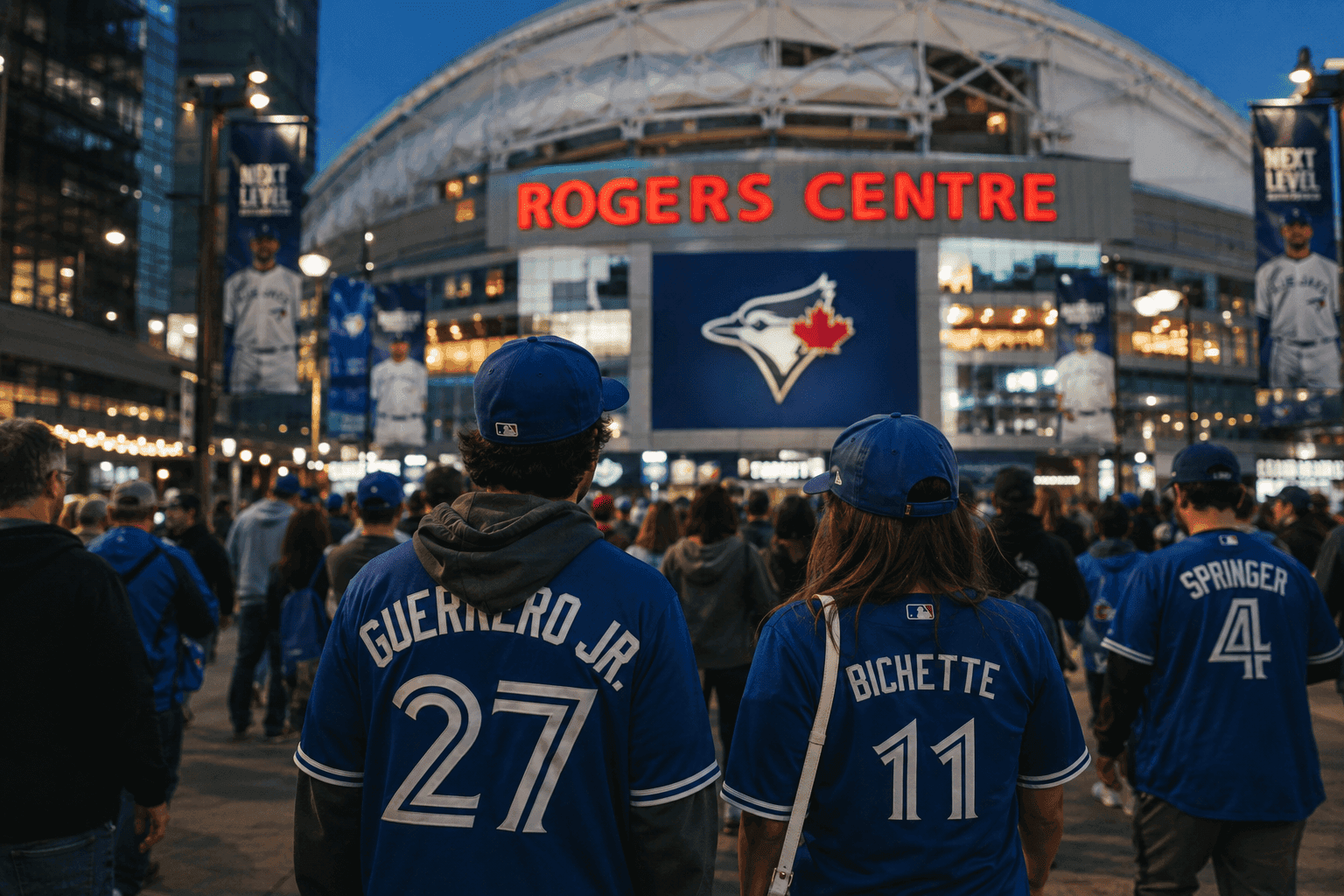
There is a particular sound Rogers Centre makes about twenty minutes before first pitch: thousands of separate conversations, a vendor calling out prices, the low mechanical groan of the retractable roof settling into position, all of it folding into one steady hum under the CN Tower. If you have never been to a Blue Jays game, that hum is the first thing that tells you this is not just a stadium. It is downtown Toronto’s living room on a summer night.
Planning a trip around a game is easier than most first-time visitors expect, but a handful of details make the difference between a smooth night and a frustrating one. This guide covers how to get to the ballpark, how to choose seats that actually suit how you like to watch baseball, what to eat, and what locals wish someone had told them the first time.
Getting to Rogers Centre
Rogers Centre sits right beside Union Station in the heart of downtown Toronto, which makes it one of the easiest major league ballparks in North America to reach without a car. If you are flying in, Toronto Pearson International Airport (YYZ) connects to downtown in about 25 to 40 minutes by the UP Express train, which drops you directly at Union Station. From there, it is a five minute walk under a covered pathway straight into the stadium concourse.
If you are coming from within the city, the TTC subway’s Union Station stop on both the Yonge and University lines puts you steps from the gates, and streetcars along Bremner Boulevard run close by as well. Driving in is possible but parking near the SkyDome area fills up fast and costs considerably more than transit, so most locals treat the train as the default rather than the backup plan.
This is an affiliate link. Booking through it costs you nothing extra and helps support this guide.
If your trip also involves a connecting flight, a rebooking, or questions about baggage policy at Pearson, TorontoBook.com is a useful resource for airline contact details and terminal information before you land.

Tickets and Seating
Ticket prices swing widely depending on the opponent and the day of the week. A weekday game against a lower-profile visiting team can run as little as 20 to 30 dollars for an upper deck seat, while a weekend series against a division rival or a marquee opponent can push premium seats past 150 dollars. Buying a few weeks ahead almost always beats buying the morning of, especially for anything near the field level.
Where to sit if you want the atmosphere
The 100 Level sections behind home plate and down the baselines put you close to the action, but the 200 Level, particularly sections along the first and third base lines, offers a genuinely underrated view for a fraction of the price. You are elevated enough to read the whole field and still close enough to hear the crack of the bat.
Where to sit if you are bringing kids
Sections in the 100 Level near the outfield tend to be calmer and closer to concourse washrooms and family facilities, which matters more than an extra row closer to the plate when you are managing a five year old through a three hour game.
Food, Drink, and the In-Game Experience
Ballpark food at Rogers Centre has moved well past the basic hot dog and popcorn combination, though the classic ballpark dog is still, fairly, the most ordered item in the building. Local additions worth seeking out include peameal bacon sandwiches, a nod to Toronto’s own deli culture, and a rotating lineup of Ontario craft beer stands scattered through the concourse.

One thing worth knowing before you go: concourse lines move fastest in the third and seventh innings rather than right before first pitch, when everyone arrives at once. If you want to eat without missing much action, that is the window locals use.
The roof at Rogers Centre can open or close in about twenty minutes, and on a clear evening the team will often leave it open through most of the game, so check the forecast rather than assuming you are watching indoors.
I have sat through enough summer ballgames in different cities to know that official heat or weather advisories rarely match what it actually feels like once you are in the seats with a breeze coming off the lake. At Rogers Centre specifically, the roof configuration changes the experience more than most first-time visitors expect, so I always check the team’s gameday page that morning rather than relying on a general city forecast. The practical takeaway: bring a light layer even in July, since the air conditioning under a closed roof runs noticeably cooler than the concourse outside.
What to Do Around the Ballpark
Because Rogers Centre sits inside Toronto’s downtown core, a game pairs naturally with a few hours exploring the surrounding waterfront district before or after first pitch. The CN Tower is a five minute walk and worth the trip up for anyone who has not done it, while the shops and patios along Front Street make for an easy pre-game meal without needing a car or a long transit ride.
Harbourfront Centre, a ten minute walk south, offers a quieter waterfront stroll if you arrive early and want to avoid the pre-game crowd building around the stadium gates. It is also one of the better spots to catch the sunset over Lake Ontario before heading in for a night game.
Quick Facts
Rogers Centre at a Glance
- CapacityApprox. 49,000
- RoofRetractable
- Nearest stationUnion Station
- Airport transfer time25–40 min (UP Express)
- Bag policyClear bags recommended
Frequently Asked Questions
A Blue Jays game is one of the more approachable ways to spend an evening in Toronto, whether you are a lifelong fan or simply looking for something to do on a summer visit. Save this guide if you are planning a trip, and if it helped, it is worth pinning for whenever you are back in town for another series.
How to Experience a Toronto Blue Jays Game Like a Local
Everything you need to plan a trip to Rogers Centre, from getting there and picking seats to the small habits regulars rely on that no scoreboard will tell you.
There is a particular sound Rogers Centre makes about twenty minutes before first pitch: thousands of separate conversations, a vendor calling out prices, the low mechanical groan of the retractable roof settling into position, all of it folding into one steady hum under the CN Tower. If you have never been to a Blue Jays game, that hum is the first thing that tells you this is not just a stadium. It is downtown Toronto’s living room on a summer night.
Planning a trip around a game is easier than most first-time visitors expect, but a handful of details make the difference between a smooth night and a frustrating one. This guide covers how to get to the ballpark, how to choose seats that actually suit how you like to watch baseball, what to eat, and what locals wish someone had told them the first time.
Getting to Rogers Centre
Rogers Centre sits right beside Union Station in the heart of downtown Toronto, which makes it one of the easiest major league ballparks in North America to reach without a car. If you are flying in, Toronto Pearson International Airport (YYZ) connects to downtown in about 25 to 40 minutes by the UP Express train, which drops you directly at Union Station. From there, it is a five minute walk under a covered pathway straight into the stadium concourse.
If you are coming from within the city, the TTC subway’s Union Station stop on both the Yonge and University lines puts you steps from the gates, and streetcars along Bremner Boulevard run close by as well. Driving in is possible but parking near the SkyDome area fills up fast and costs considerably more than transit, so most locals treat the train as the default rather than the backup plan.
This is an affiliate link. Booking through it costs you nothing extra and helps support this guide.
If your trip also involves a connecting flight, a rebooking, or questions about baggage policy at Pearson, TorontoBook.com is a useful resource for airline contact details and terminal information before you land.
Tickets and Seating
Ticket prices swing widely depending on the opponent and the day of the week. A weekday game against a lower-profile visiting team can run as little as 20 to 30 dollars for an upper deck seat, while a weekend series against a division rival or a marquee opponent can push premium seats past 150 dollars. Buying a few weeks ahead almost always beats buying the morning of, especially for anything near the field level.
Where to sit if you want the atmosphere
The 100 Level sections behind home plate and down the baselines put you close to the action, but the 200 Level, particularly sections along the first and third base lines, offers a genuinely underrated view for a fraction of the price. You are elevated enough to read the whole field and still close enough to hear the crack of the bat.
Where to sit if you are bringing kids
Sections in the 100 Level near the outfield tend to be calmer and closer to concourse washrooms and family facilities, which matters more than an extra row closer to the plate when you are managing a five year old through a three hour game.
Food, Drink, and the In-Game Experience
Ballpark food at Rogers Centre has moved well past the basic hot dog and popcorn combination, though the classic ballpark dog is still, fairly, the most ordered item in the building. Local additions worth seeking out include peameal bacon sandwiches, a nod to Toronto’s own deli culture, and a rotating lineup of Ontario craft beer stands scattered through the concourse.
One thing worth knowing before you go: concourse lines move fastest in the third and seventh innings rather than right before first pitch, when everyone arrives at once. If you want to eat without missing much action, that is the window locals use.
The roof at Rogers Centre can open or close in about twenty minutes, and on a clear evening the team will often leave it open through most of the game, so check the forecast rather than assuming you are watching indoors.
I have sat through enough summer ballgames in different cities to know that official heat or weather advisories rarely match what it actually feels like once you are in the seats with a breeze coming off the lake. At Rogers Centre specifically, the roof configuration changes the experience more than most first-time visitors expect, so I always check the team’s gameday page that morning rather than relying on a general city forecast. The practical takeaway: bring a light layer even in July, since the air conditioning under a closed roof runs noticeably cooler than the concourse outside.
What to Do Around the Ballpark
Because Rogers Centre sits inside Toronto’s downtown core, a game pairs naturally with a few hours exploring the surrounding waterfront district before or after first pitch. The CN Tower is a five minute walk and worth the trip up for anyone who has not done it, while the shops and patios along Front Street make for an easy pre-game meal without needing a car or a long transit ride.
Harbourfront Centre, a ten minute walk south, offers a quieter waterfront stroll if you arrive early and want to avoid the pre-game crowd building around the stadium gates. It is also one of the better spots to catch the sunset over Lake Ontario before heading in for a night game.
Quick Facts
Rogers Centre at a Glance
- CapacityApprox. 49,000
- RoofRetractable
- Nearest stationUnion Station
- Airport transfer time25–40 min (UP Express)
- Bag policyClear bags recommended
Frequently Asked Questions
A Blue Jays game is one of the more approachable ways to spend an evening in Toronto, whether you are a lifelong fan or simply looking for something to do on a summer visit. Save this guide if you are planning a trip, and if it helped, it is worth pinning for whenever you are back in town for another series.