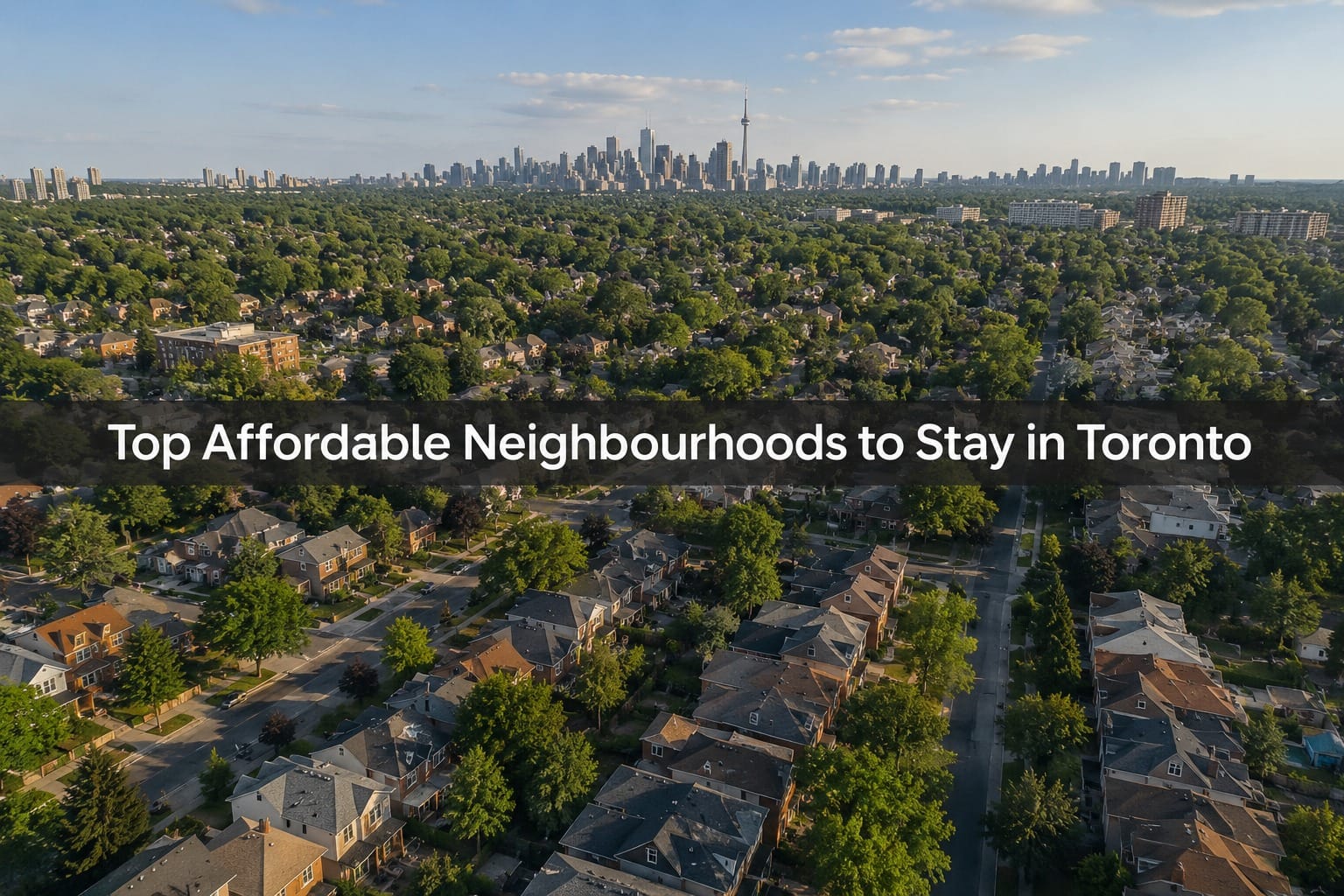

The Real Cost of Living in Toronto in 2026: A Budget for Students & Newcomers
Government estimates and reality don’t match. Here’s what rent, transit, groceries, and health coverage actually cost in Toronto right now, and how to build a monthly budget that survives the first year.
Every newcomer to Toronto reads the same government estimate before arriving, and almost every newcomer discovers within the first month that the real number is higher. A recent survey of international students found they were spending close to double the officially advertised living-cost figure, and the gap comes almost entirely from two things: rent and food inflation. This guide skips the outdated averages and lays out what a real monthly budget looks like in 2026.
Whether you’re arriving on a study permit or a permanent residency application, the maths are similar enough to plan from the same base numbers, with the differences showing up mainly in health coverage and one-time settling-in costs.
Rent by Neighbourhood
Rent is where almost every Toronto budget lives or dies. A downtown one-bedroom currently runs somewhere between CAD 1,800 and CAD 2,500 a month, while a shared room in a house or a purpose-built student residence can bring that down to CAD 800 to CAD 1,300. Location changes the number more than almost anything else you can control.
- Downtown Core / Yorkville — highest rent, but shortest commute to most downtown campuses and offices.
- The Annex / Kensington Market — popular with students, still walkable to U of T, moderately priced by comparison.
- North York / Scarborough — noticeably cheaper one-bedrooms, longer subway or bus commute downtown.
- Etobicoke / Junction — some of the most affordable rents in the city, at the cost of a 30–40 minute transit ride.
If you’re moving with a fixed budget, viewing listings in at least two of the cheaper neighbourhoods before committing to a downtown lease can realistically save several hundred dollars a month, which adds up fast over a full lease term.
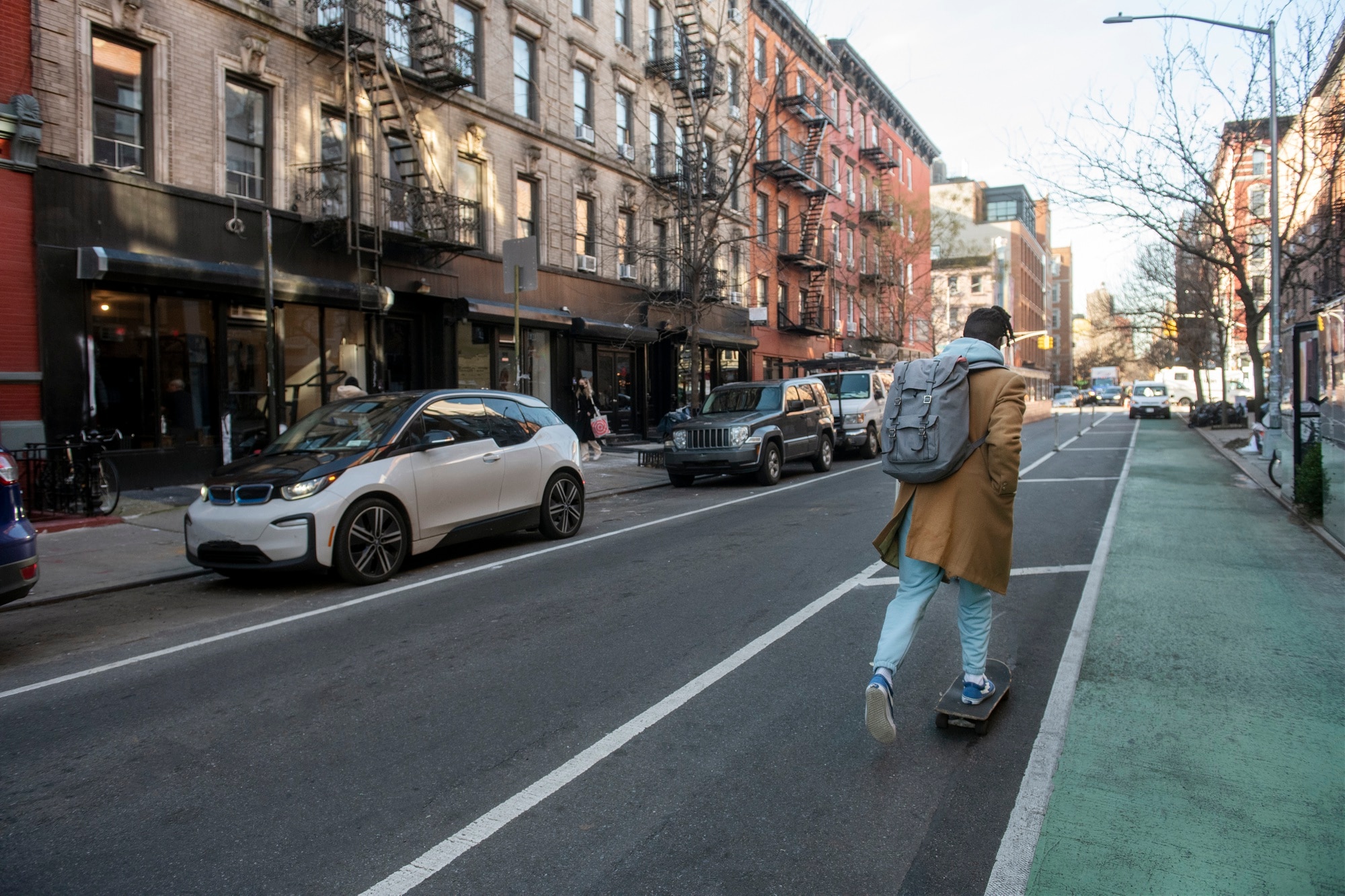
Neighbourhoods just a few subway stops from downtown can cut monthly rent significantly.
Monthly Essentials Beyond Rent
Once rent is settled, the rest of a Toronto budget is fairly predictable. Groceries for one person cooking at home typically run CAD 300 to CAD 400 a month, more if you’re eating out regularly, since restaurant meals in the city have climbed well past pre-2023 prices. Utilities on a shared or small unit usually land around CAD 150 to CAD 200.
Transit is one of the easier costs to plan for. The TTC Post-Secondary Monthly Pass costs about CAD 128.15 for students with a valid photo ID, and covers unlimited subway, streetcar, and bus travel across the city, which is often cheaper than an occasional Uber habit once you do the math over a full month.
Health coverage differs by status. International students in Ontario are automatically enrolled in the University Health Insurance Plan, which for the 2025–2026 academic year works out to roughly CAD 756 total, or about CAD 63 a month, covering the basics but not everything, so many students add a small supplemental plan for dental or vision. New immigrants and permanent residents instead wait through Ontario’s health card processing period, which can leave a short coverage gap worth bridging with private travel or newcomer insurance in the first few months.
Some links on this page are affiliate links — booking through them costs you nothing extra and helps support this site.
Student vs Immigrant Budgets: What Actually Differs
A student living moderately, sharing a room, cooking most meals, and using a transit pass can realistically land in the CAD 1,800 to CAD 2,200 monthly range, excluding tuition. A newcomer settling in as a permanent resident, often supporting a partner or family and typically renting a full one-bedroom rather than a shared room, should plan closer to CAD 3,500 to CAD 4,500 a month, covering rent, transit, groceries, utilities, and phone or internet service.
Both groups can offset costs meaningfully through part-time work. International students are permitted to work up to 20 hours a week during the academic term and full-time during scheduled breaks, and Ontario’s minimum wage sits at CAD 16.55 an hour, which covers a meaningful chunk of grocery and transit costs for a student working even ten to fifteen hours weekly.
Choose your housing before anything else. Every other number in a Toronto budget bends around that one decision. — Common advice among Toronto newcomer communities
I’ve watched more than one friend move to Toronto with a spreadsheet built entirely off the government’s official cost estimate, only to find their actual spending running thirty to forty percent higher within the first two months, almost always because of rent inflation and higher-than-expected grocery bills. The advisories and official guides are a reasonable floor, not a realistic ceiling. My practical takeaway: budget with the government number as your minimum, then add a genuine twenty-five percent buffer before you commit to a lease.
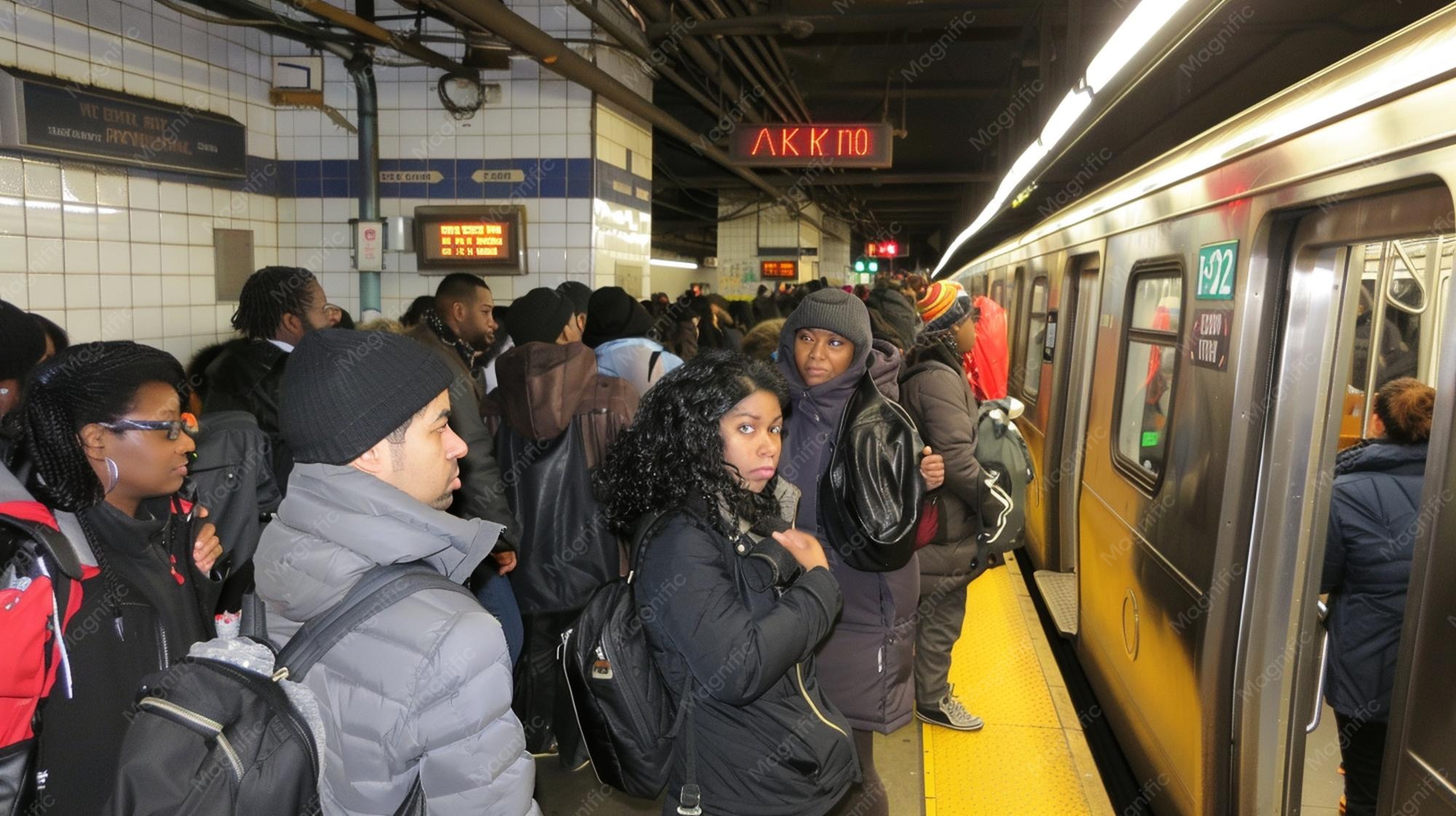
A TTC Post-Secondary Monthly Pass covers unlimited travel across subway, streetcar, and bus routes.
Quick Facts: Monthly Budget Snapshot
- 1-bed downtown$1,800–$2,500
- Groceries$300–$400
- TTC pass~$128.15
- UHIP (students)~$63/month
Money-Saving Tips & FAQ
A few habits genuinely move the needle on a Toronto budget: batch-cook with roommates instead of shopping solo, only buy the TTC monthly pass in months you’ll actually use it daily, and start winter clothing shopping in late summer before the seasonal price jump. Building a small buffer for one-time costs, like a damage deposit or a winter coat, avoids a nasty surprise in your first month. If you’re organizing your finances before the move, this guide to travel and everyday credit cards is worth a look for picking one with no foreign transaction fees during the transition period, and this budget travel strategy guide covers similar cost-cutting principles that apply just as well to settling in as to travelling.
For official, government-verified figures on financial requirements for study permits and settlement funds, the Immigration, Refugees and Citizenship Canada (IRCC) website remains the authoritative source, and it’s worth cross-checking any budget against their current minimums before you finalize a study permit or immigration application.
Save this guide before you start apartment hunting. Rent listings move fast in this city, and having the neighbourhood-by-neighbourhood price ranges bookmarked will save you from overpaying in the rush of a first search.