

A Complete Guide to Traveling on a Budget: Smart Strategies for Every Journey
How to see more of the world, spend less money doing it, and still travel comfortably, safely, and with confidence.

Traveling well and traveling cheaply are not opposites. Some of the most memorable trips ever taken were built on modest budgets, careful planning, and a willingness to travel like a local rather than a tourist. The idea that a meaningful journey requires a large bank account is one of the most persistent myths in modern travel, and it simply is not true.
This guide brings together the practical knowledge that experienced budget travelers rely on every year: how to plan realistically, where the biggest savings actually come from, and which shortcuts are worth taking and which ones are not. Whether the plan is a weekend city break or a multi-country adventure, the strategies below apply everywhere, from quiet coastal towns to major international hubs.
Why Budget Travel Has Become a Smarter Way to See the World
Budget travel is no longer just a backpacker trend. Rising flight competition, the growth of independent hostels and guesthouses, and the spread of digital tools for comparing prices have made low-cost travel accessible to almost anyone. Families, solo travelers, retirees, and remote workers are all discovering that spending less does not mean experiencing less.
In fact, many travelers report that budget trips feel more authentic. Staying in a family-run guesthouse instead of a large hotel chain, eating at a neighborhood market instead of a hotel restaurant, and taking a local train instead of a private transfer all create a closer connection to the destination itself. Saving money and having a richer experience often go hand in hand.
Quick Facts: The Budget Travel Mindset
- Most travel budgets are lost to small, unplanned daily expenses rather than one large purchase.
- Flexible travel dates can reduce flight and hotel prices significantly compared to fixed dates.
- Shoulder season travel, just before or after peak months, often delivers the best value.
- Local transportation is almost always cheaper and more reliable than tourist-oriented transfers.
Building a Realistic Travel Budget Before You Pack a Single Bag
A successful low-cost trip starts long before departure. The first step is building a realistic daily budget based on the destination, not on general assumptions. Costs in Southeast Asia, Eastern Europe, and Central America tend to be dramatically lower than in Western Europe, North America, or major island destinations, so research should always be specific to the place being visited.
A practical approach is to divide the budget into four categories: transportation, accommodation, food, and activities. Estimating a daily cost for each category, then adding a small buffer of around ten to fifteen percent for unexpected expenses, gives a much clearer picture than a single lump sum. This structure also makes it easier to identify where to cut costs if the trip needs adjusting midway through.
It is also worth setting a firm arrival amount in local currency and tracking spending daily, even loosely. A simple notes app or spreadsheet is enough. Travelers who track spending in real time consistently report finishing trips closer to their original budget than those who do not track anything at all.

Finding Cheap Flights Without Sacrificing Comfort or Safety
Flights are usually the single largest expense in any trip, which also makes them the category with the greatest potential for savings. Booking in advance still matters, but flexibility matters even more. Shifting a departure by a day or two, flying midweek instead of on a weekend, or considering a nearby secondary airport can lower fares considerably.
Price comparison tools make this process far easier than searching individual airline websites one by one. Compare airfares worldwide before committing to a single carrier, since prices for the same route can vary widely between airlines and booking platforms on any given day.
Budget airlines can offer genuine savings, but it helps to read the fine print carefully. Baggage allowances, seat selection, and airport check-in fees are often charged separately, and these add-ons can occasionally erase the advantage of a cheap base fare. Packing light and checking in online in advance usually avoids the most common extra charges.
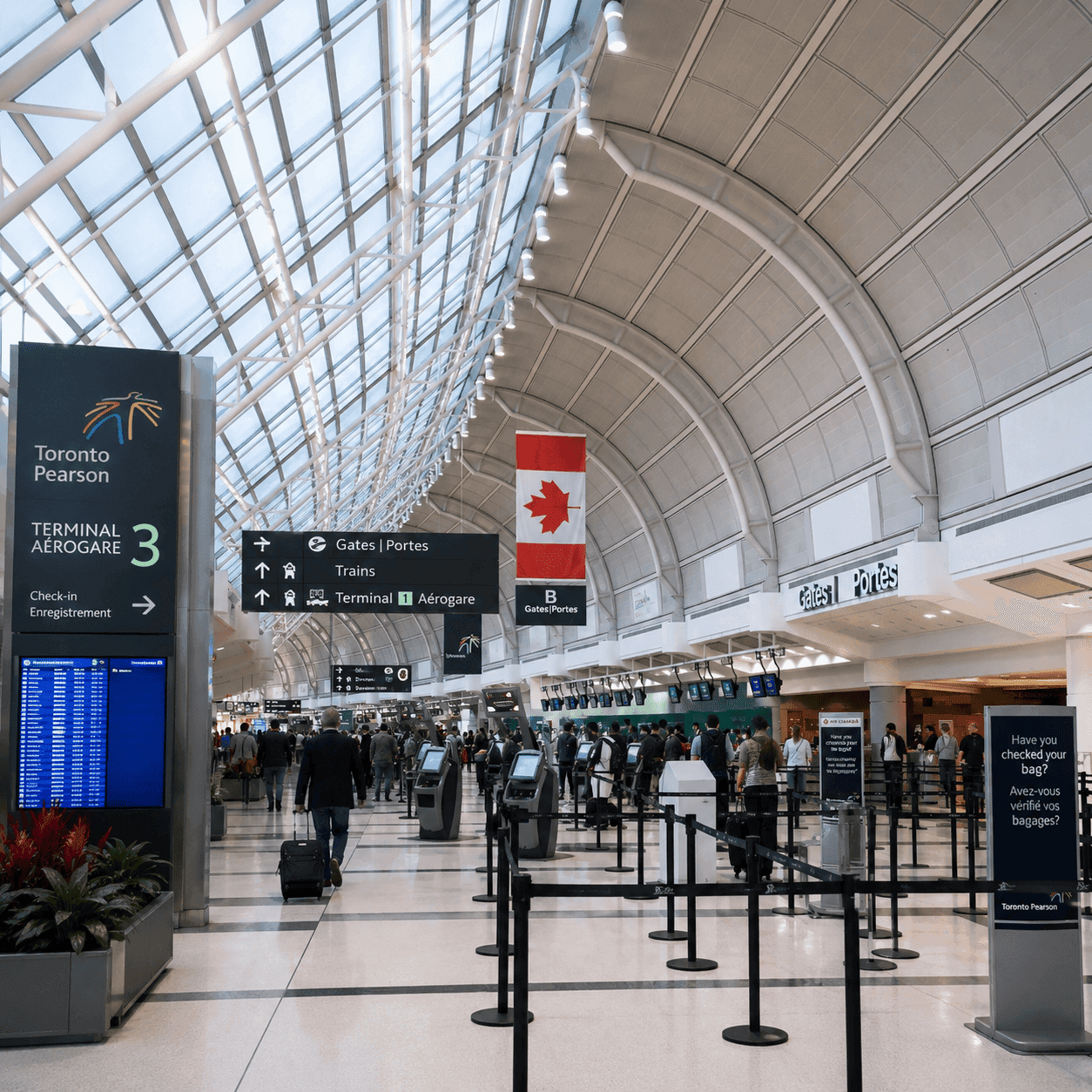
Travelers dealing with flight changes, cancellations, or questions about airline baggage policy often find it useful to check a dedicated resource such as TorontoBook for current airline contact information and airport terminal details before heading to the airport.

Choosing Affordable Accommodation That Still Feels Like Home
Accommodation is where many travelers assume they must choose between price and comfort, but the modern hospitality market offers far more middle ground than it used to. Hostels have moved well beyond noisy dormitories, with many now offering private rooms, quiet floors, and clean shared facilities at a fraction of hotel prices.
Guesthouses and family-run bed and breakfasts are another strong option, often priced similarly to hostels but with a more personal touch, including local recommendations that no hotel concierge could offer. Booking directly with smaller properties, rather than only through large platforms, can also unlock lower rates or free extras such as breakfast or airport pickup.
Length of stay discounts are frequently underused. Many properties reduce nightly rates automatically for stays of five nights or longer, which rewards travelers who slow down and settle into a destination rather than moving every night or two.
Three Accommodation Habits Worth Adopting
- Compare total price including taxes and city fees, not just the advertised nightly rate.
- Read recent reviews rather than overall ratings, since standards can change quickly.
- Message smaller properties directly to ask about discounts for longer or off-peak stays.

Eating Well Without Overspending: A Traveler's Guide to Local Food
Food is one of the most enjoyable parts of any trip, and it does not have to be expensive to be excellent. Local markets, street food stalls, and neighborhood eateries away from major tourist squares consistently offer better value and often better flavor than restaurants positioned directly around landmarks.
A useful habit is watching where local workers eat during lunch hours. A busy stall with a rotating line of regulars is almost always a sign of quality and fair pricing. Menus printed only in the local language, without photos or multiple currencies listed, are another reliable signal of a genuinely local spot rather than a tourist-oriented one.
Self-catering for at least one meal a day, particularly breakfast, can also meaningfully reduce costs over a longer trip. Many guesthouses and short-term rentals include a small kitchen or kettle, and a quick stop at a local grocery store often costs less than a single restaurant meal.
Practical tip: Set aside one meal per day as a "splurge" and keep the rest simple and local. This balances genuine culinary experiences with steady daily savings, rather than treating every meal the same way.
Getting Around Cheaply: Public Transport, Trains, and Local Transit
Local transportation is one of the most underrated ways to save money while traveling. Public buses, metro systems, and regional trains are typically a fraction of the cost of taxis or private transfers, and in many cities they are also faster once traffic is taken into account.
Multi-day or weekly transit passes are worth investigating in any city with a metro or tram network, since they usually pay for themselves after just a few rides. Regional and long-distance trains, particularly in Europe and parts of Asia, can also be booked well in advance for prices that rival or beat budget flights, without the airport transfer time and baggage restrictions.
Renting a bicycle or simply walking through a compact old town is often the most rewarding way to experience a destination, and it costs nothing beyond the initial rental fee. Cities built around pedestrian centers reward slower, on-foot exploration far more than they reward a rushed itinerary.

Smart Money-Saving Habits Every Budget Traveler Should Know
Beyond the major categories of flights, accommodation, food, and transport, a handful of smaller habits consistently make a noticeable difference over the course of a trip.
- Withdraw larger amounts of cash less frequently to reduce the number of ATM fees paid overall.
- Use a travel-friendly bank card that avoids foreign transaction fees whenever possible.
- Book skip-the-line attraction tickets in advance to avoid wasted time and last-minute markups.
- Take advantage of free walking tours, museum-free days, and city parks, which exist in almost every destination.
- Travel with a reusable water bottle and a portable charger to avoid repeated small purchases.
For sightseeing, it often makes sense to pre-book tickets rather than queue on arrival. Travelers can book skip-the-line tickets for major attractions in advance, which frequently costs the same as buying on-site while saving significant time.
The biggest budget leaks rarely come from one bad decision. They come from dozens of small, unplanned ones.
Avoiding the Hidden Costs That Drain a Travel Budget
Even carefully planned trips can lose money to costs that are easy to overlook. Currency conversion fees, mandatory resort charges, dynamic currency conversion at payment terminals, and paid Wi-Fi in places that once offered it for free are common examples. Reviewing the full price breakdown before booking accommodation or transport, rather than trusting the headline price, prevents most of these surprises.
Travel insurance is another area where cutting corners rarely pays off. A modest, well-reviewed policy is far cheaper than a single emergency medical bill or a missed non-refundable booking, and it should be treated as a fixed cost of the trip rather than an optional extra.
Safety, Warnings, and Real-World Experience on the Road
Official travel advisories and online warnings are useful starting points, but they are written to cover worst-case scenarios across an entire country, not the specific street, hostel, or bus route a traveler will actually use. Understanding the difference between a broad government warning and the lived reality of a destination is an important budget travel skill in itself.
I have taken overnight buses and stayed in budget hostels in cities that carried cautious advisory language online, and in almost every case the actual experience was calm, well organized, and far less dramatic than the warnings suggested. Official notices tend to describe the worst possible outcome rather than the everyday one. That said, they are still worth reading before departure, since they highlight areas or situations genuinely worth extra caution. The practical takeaway is simple: read the warnings, then verify the details locally, through recent traveler reviews or hostel staff, before deciding how much caution a specific plan actually needs.
Basic precautions apply everywhere regardless of budget: keep valuables secured, share an itinerary with someone at home, and choose accommodation with recent, specific reviews rather than only a high star rating.
Sample Budget Itinerary: Planning a Week Abroad for Less
A one-week trip is long enough to settle into a rhythm without requiring a large budget. A realistic structure looks like this: two to three nights in a hostel or guesthouse in the main city, followed by a short regional train or bus ride to a smaller town for two to three nights, then a final night back near the airport before departure.
This pattern reduces transport costs by avoiding multiple flights, spreads spending across cheaper secondary destinations, and still leaves room for one or two paid attractions or guided experiences that genuinely add value to the trip. Mixing free activities, such as walking tours and public parks, with one or two carefully chosen paid experiences tends to produce the most satisfying balance between cost and enjoyment.
Frequently Asked Questions About Budget Travel
How much money is actually needed for a budget trip?
This depends heavily on the destination, but many budget travelers manage on a daily amount that covers a hostel bed, two simple meals, local transport, and a small buffer for extras. Researching typical daily costs for the specific destination is always more reliable than a general rule of thumb.
Is budget travel safe for solo travelers?
Yes, in most well-traveled destinations. Choosing accommodation with strong recent reviews, staying alert in unfamiliar areas at night, and keeping copies of important documents are sensible habits regardless of budget level.
What is the single biggest way to save money while traveling?
Flexibility with dates and destinations usually produces the largest savings, since it opens access to lower flight and accommodation prices that fixed travel dates simply cannot reach.
Do budget flights always cost less overall?
Only if baggage, seating, and check-in fees are factored in from the start. Comparing the full price, not just the base fare, is essential before assuming a budget airline is genuinely the cheaper option.
Ready to plan your own low-cost adventure?
Compare flight prices, shortlist affordable stays, and start building a realistic day-by-day budget before you book anything else. A little planning now means a lot more travel later.
Search Today's Flight PricesSave this guide before your next trip, and share it with a friend who is planning a low-cost getaway of their own. Budget travel rewards preparation more than luck, and a little research now can turn a modest budget into a genuinely memorable journey.