
Best Universities in Toronto in 2026, and Exactly How to Apply
Three world-ranked universities, a dozen application deadlines, and a paperwork process that trips up even strong applicants. Here’s how the city’s top schools actually compare, and the application timeline that keeps you from missing a step.
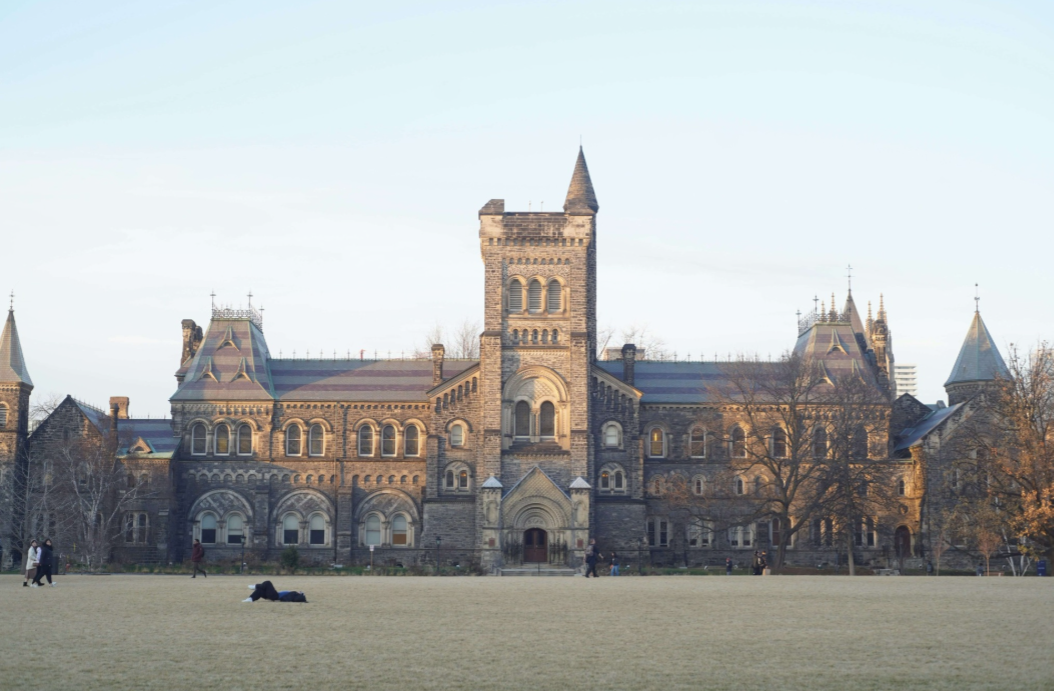
Ask ten prospective students why they picked Toronto and eight of them will mention the same thing: the University of Toronto’s name carries weight before you’ve even finished the application. But U of T isn’t the only option in the city, and for a lot of students it isn’t even the right one. Toronto is home to three major public universities, each with a genuinely different culture, cost, and admissions bar, and picking the right one matters more than chasing the highest-ranked name.
This guide ranks the city’s top schools, breaks down what they actually cost in 2026, and walks through the application process step by step, including the parts that catch international applicants off guard.
Toronto’s Top Universities, Ranked
University of Toronto
Canada’s largest and highest-ranked research university, sitting at #29 globally on the QS World University Rankings 2026. Spread across three campuses, downtown St. George, Mississauga, and Scarborough, it enrols more than 97,000 students and draws applicants from about 160 countries. Its Rotman School of Management is consistently ranked the top MBA program in Canada. Strongest in computer science, life sciences, engineering, and business.
York University
Founded in 1959, York has grown into one of Canada’s largest research universities and counts five Canadian prime ministers among its alumni, along with novelist Margaret Atwood. It’s generally a more accessible admissions bar than U of T, with a broad program range across the Keele and Glendon campuses, and a strong reputation in law, film, and business through the Schulich School of Business.
Toronto Metropolitan University
Formerly Ryerson, this downtown-campus university has built a reputation for career-focused programs, particularly in media, engineering, and business, with strong co-op and internship pipelines directly into Toronto’s job market. Its central location, right next to the Eaton Centre and Dundas Square, makes it one of the most urban campus experiences in the country.
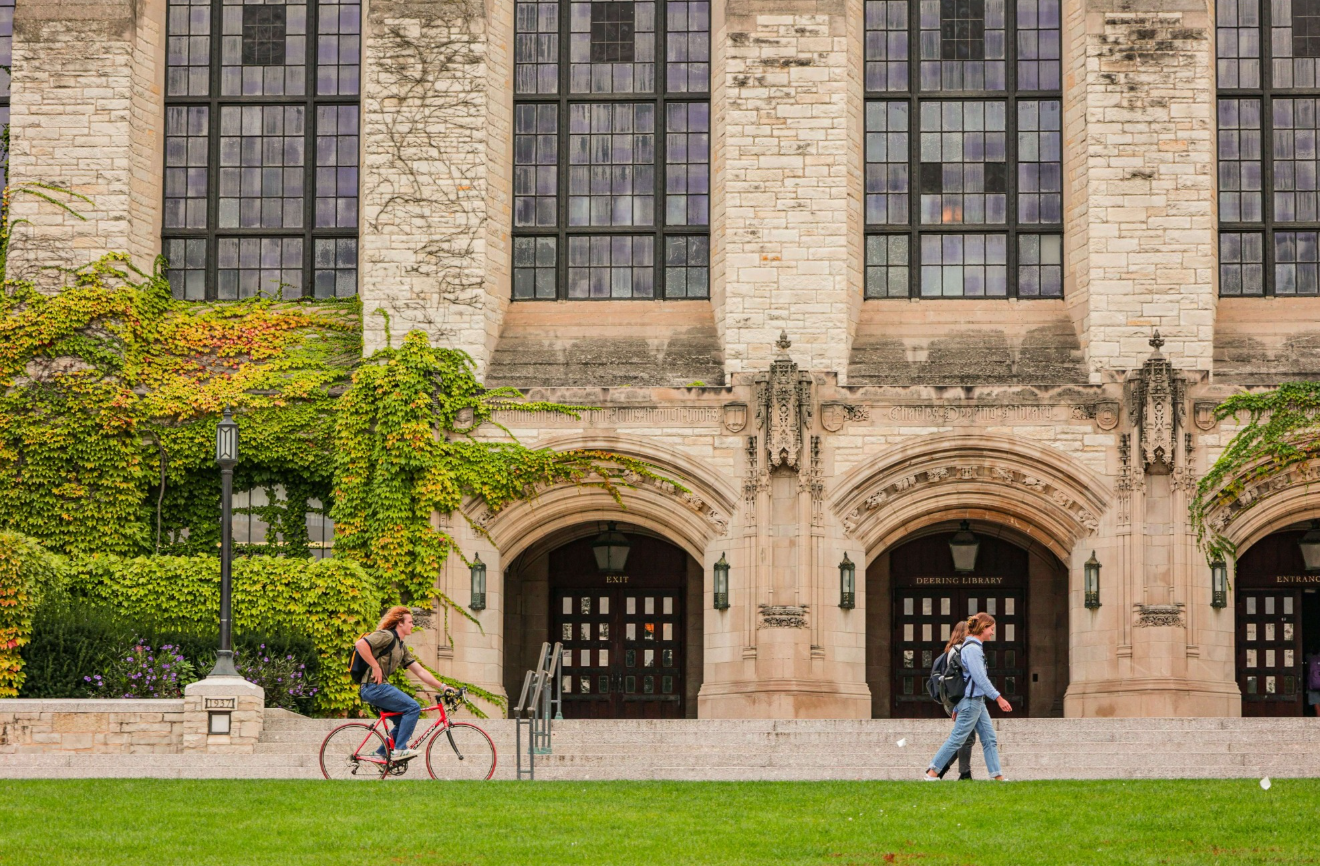
All three universities sit within Toronto’s transit network, making cross-campus and downtown access easy without a car.
Tuition & English Requirements
International undergraduate tuition in Toronto typically ranges from CAD 45,000 to CAD 65,000 a year depending on the faculty and program, with professional programs like engineering and business sitting at the higher end. Graduate programs generally run CAD 25,000 to CAD 55,000 annually. On top of tuition, budget CAD 8,000 to CAD 15,000 a year for housing, CAD 3,000 to CAD 5,000 for food, and CAD 2,000 to CAD 4,000 for transport and incidentals.
English proficiency requirements are broadly consistent across the three schools: an IELTS overall score of 6.5 or higher with no individual band below 6.0, or a TOEFL iBT score of around 100 overall with at least 22 in writing. Some programs, particularly professional and graduate ones, set slightly higher thresholds, so it’s worth confirming the exact number for your specific program rather than assuming the general minimum applies.
Some links on this page are affiliate links — booking through them costs you nothing extra and helps support this site.
How to Apply: Step by Step
- Research programs early. Faculty-specific requirements vary more than school-wide averages suggest, so check the individual program page rather than the general admissions page.
- Apply through the right portal. Undergraduate applications to Ontario universities, including U of T and York, go through the Ontario Universities’ Application Centre (OUAC), while most graduate applications go directly through each university’s own portal.
- Submit transcripts and test scores. High school transcripts, standardized test scores where required, and English proficiency results all need to reach the admissions office, often through a designated document upload portal rather than email.
- Watch the November deadline. U of T explicitly encourages strong applicants to submit by November 7 and complete all portal steps by December 2 for the first admission round, and other schools run similarly early priority deadlines, well ahead of the general public perception that university applications are due in spring.
- Apply for your study permit once accepted. Only after receiving an official letter of acceptance can you apply for a Canadian study permit, so build in several weeks of processing time before your intended start date.
Faculties update extensions constantly. The date on a forum post from last year is not the deadline this year. — Common advice repeated across international student forums
I’ve reviewed enough application timelines to say the single most common mistake isn’t a weak transcript, it’s timing. Students who assume they have until spring to apply routinely miss the priority round in November and end up competing for a much smaller pool of remaining spots in the regular round. My practical takeaway: treat the November deadline as the real deadline, regardless of what the general application closing date says, and submit your portal steps a full week earlier than you think you need to.

Most Ontario undergraduate applications route through the OUAC portal rather than individual university websites.
Quick Facts
- Undergrad tuition$45,000–$65,000/yr
- Grad tuition$25,000–$55,000/yr
- Priority deadlineEarly November
- English testIELTS 6.5 / TOEFL ~100
Tips & FAQ
Once you’re accepted and moving, settling into student life comes with its own logistics beyond the classroom, from finding housing near campus to figuring out how the city works day to day. This guide to things to do in Toronto is worth bookmarking for your first semester, and since Ontario winters catch a lot of new arrivals off guard, this packing guide for Ontario’s unpredictable weather will save you from underdressing for your first February on campus.
For the most current and authoritative tuition figures, deadlines, and program requirements, always cross-check with the University of Toronto’s official Future Students site, since fee schedules and application dates are typically updated each summer ahead of the following intake.
Save this comparison before you start filling out applications. Between OUAC deadlines, program-specific requirements, and study permit timing, this is the kind of guide you’ll want to reference more than once over the next few months.