
Things to Do in Toronto: The Guide I Wish Someone Had Handed Me
Neighborhoods worth wandering, the transit tricks nobody explains at the airport, and the small mistakes that taught me more than any checklist did.
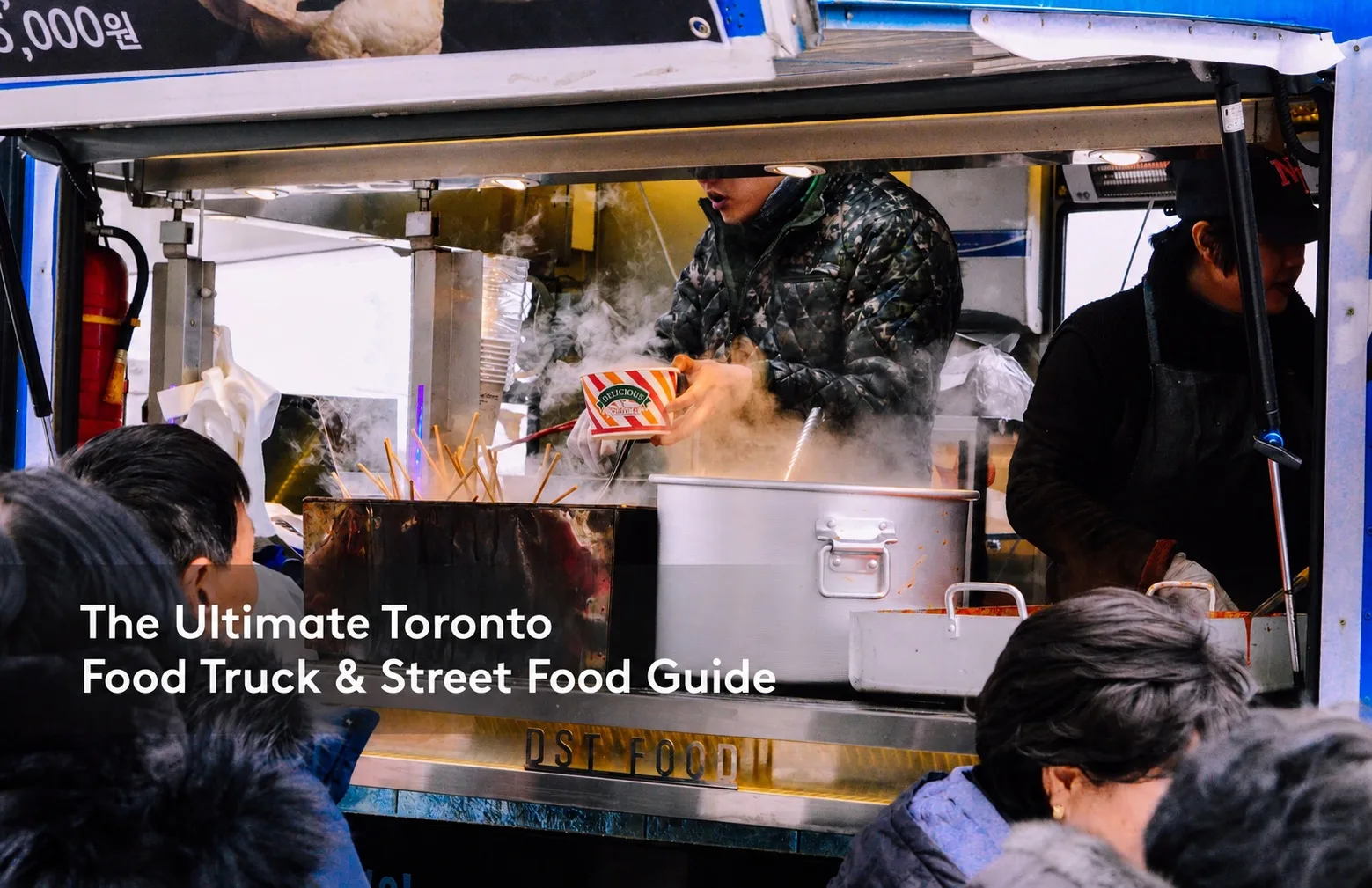
Toronto does not announce itself the way some cities do. There is no single postcard moment that sums it up, no one street you can point to and say, this is it. Instead the city reveals itself in layers: a market stall selling peameal bacon sandwiches, a subway platform where three languages are being spoken within arm's reach of you, a ravine trail that drops you out of the skyline entirely and into something that feels closer to cottage country. I have spent enough time here, on both short weekend trips and longer stretches, to know that the version of Toronto worth writing about is not the highlight reel. It is the practical, slightly imperfect version, the one where you miss a streetcar, learn the PRESTO card the hard way, and still end the day glad you came.
This guide is built around that version. It covers the attractions that genuinely earn a spot on your list, but it spends just as much time on the details that make or break a trip: how to get downtown from Pearson without overpaying, which neighborhoods reward slow walking, what locals actually complain about, and the one ticket mistake almost every first-time visitor makes at Union Station.
Quick Facts
Landing in Toronto and getting downtown without the airport tax
Most visitors land at Pearson and immediately face their first decision: taxi, rideshare, or the UP Express train. The train runs directly from Terminal 1 to Union Station in about 25 minutes, and it is almost always the calmer option during rush hour, when the highway into the city can turn a 30-minute drive into an hour. A taxi or rideshare is more convenient if you are arriving late at night or traveling with a group, since the fare splits three or four ways more evenly than train tickets do.
If your trip involves connecting flights, unfamiliar visa paperwork, or a last-minute schedule change, it is worth having a reliable reference on hand before you travel rather than during a layover. I usually keep a page like TorontoBook bookmarked for exactly that, since airline contact details and terminal information tend to change more often than people expect.
Once you are downtown, buy a PRESTO card at any subway station or from the vending machines at Union Station. It works across subway, streetcar, and bus, and it is genuinely cheaper than paying cash fares one trip at a time. If you are staying more than three days, ask about a day pass instead of loading single fares, since the math tips in your favor faster than most visitors assume.
Before you commit to a hotel neighborhood, it is worth comparing a few flight and arrival dates side by side, since Toronto's shoulder-season pricing can shift a trip's total cost more than people expect. Compare flight prices before you book and you will usually find a window where hotel rates drop alongside airfare, particularly in the first two weeks of September.
Neighborhoods that reward slow walking
Toronto's attractions matter less as a checklist and more as an excuse to walk through neighborhoods that each feel like a different city stitched onto the same grid. The Distillery District, a stretch of restored Victorian industrial buildings turned into cobblestone lanes, galleries, and small breweries, is worth an unhurried two hours rather than a rushed thirty minutes. Go on a weekday morning if you can. On weekends it fills with wedding parties and tour groups, and the cobblestones that photograph so well become genuinely difficult to navigate with a stroller or luggage.
Kensington Market sits at the opposite end of the personality spectrum: narrow streets, vintage clothing shops stacked three deep, and a food scene that shifts from Jamaican patties to Portuguese custard tarts to Vietnamese banh mi within a single block. The smell changes every ten steps, roasting coffee, grilled meat, incense from a shop doorway, and that sensory density is the actual point of visiting rather than any single storefront.
St. Lawrence Market, a short walk from Union Station, is where I send people who want one stop that captures the city's food culture without needing a car or a full afternoon. The peameal bacon sandwich at the Carousel Bakery counter has genuinely earned its reputation, and the lower level has a produce and fish market that is worth wandering even if you are not buying anything.
The view from the CN Tower, and what nobody tells you about the line
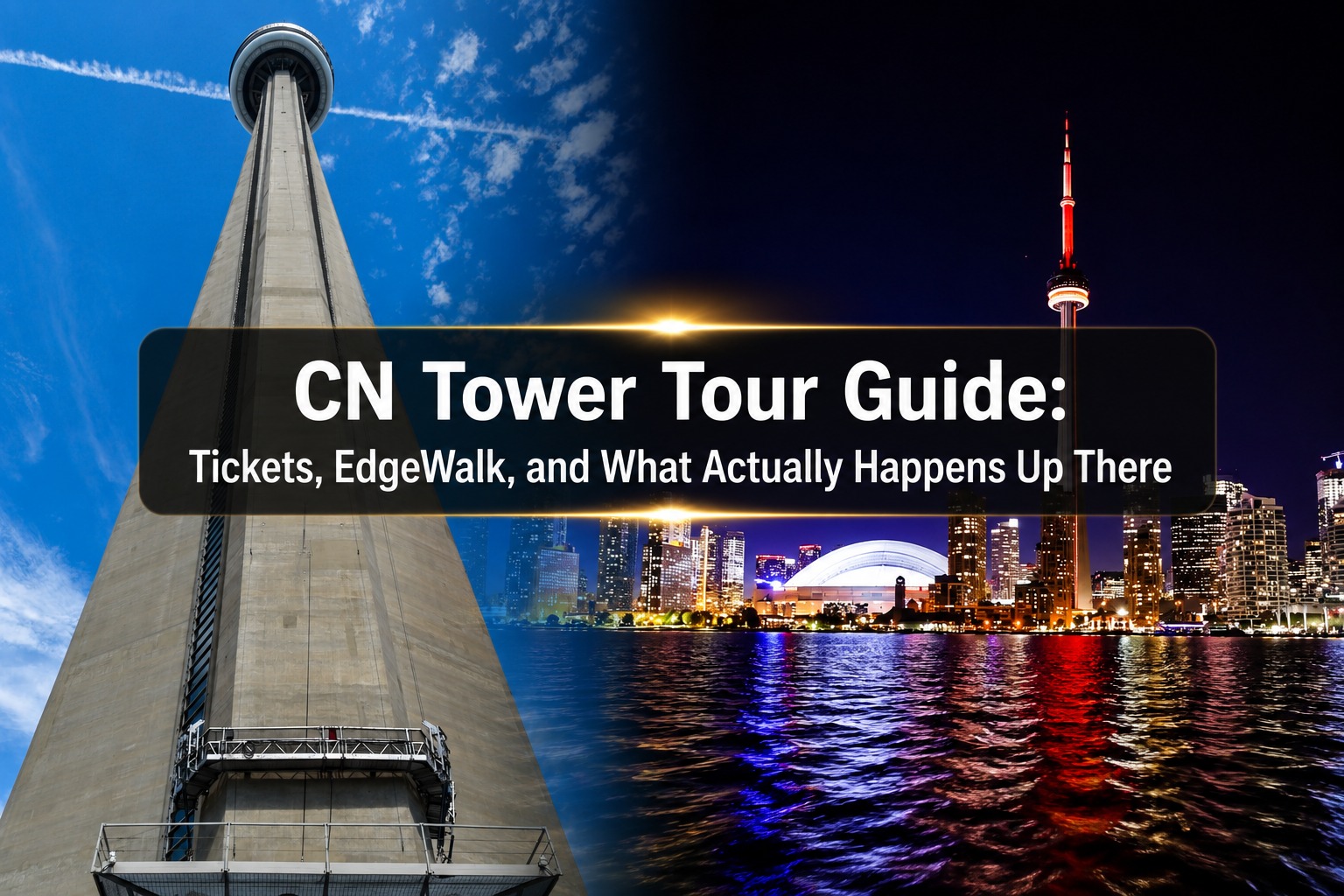
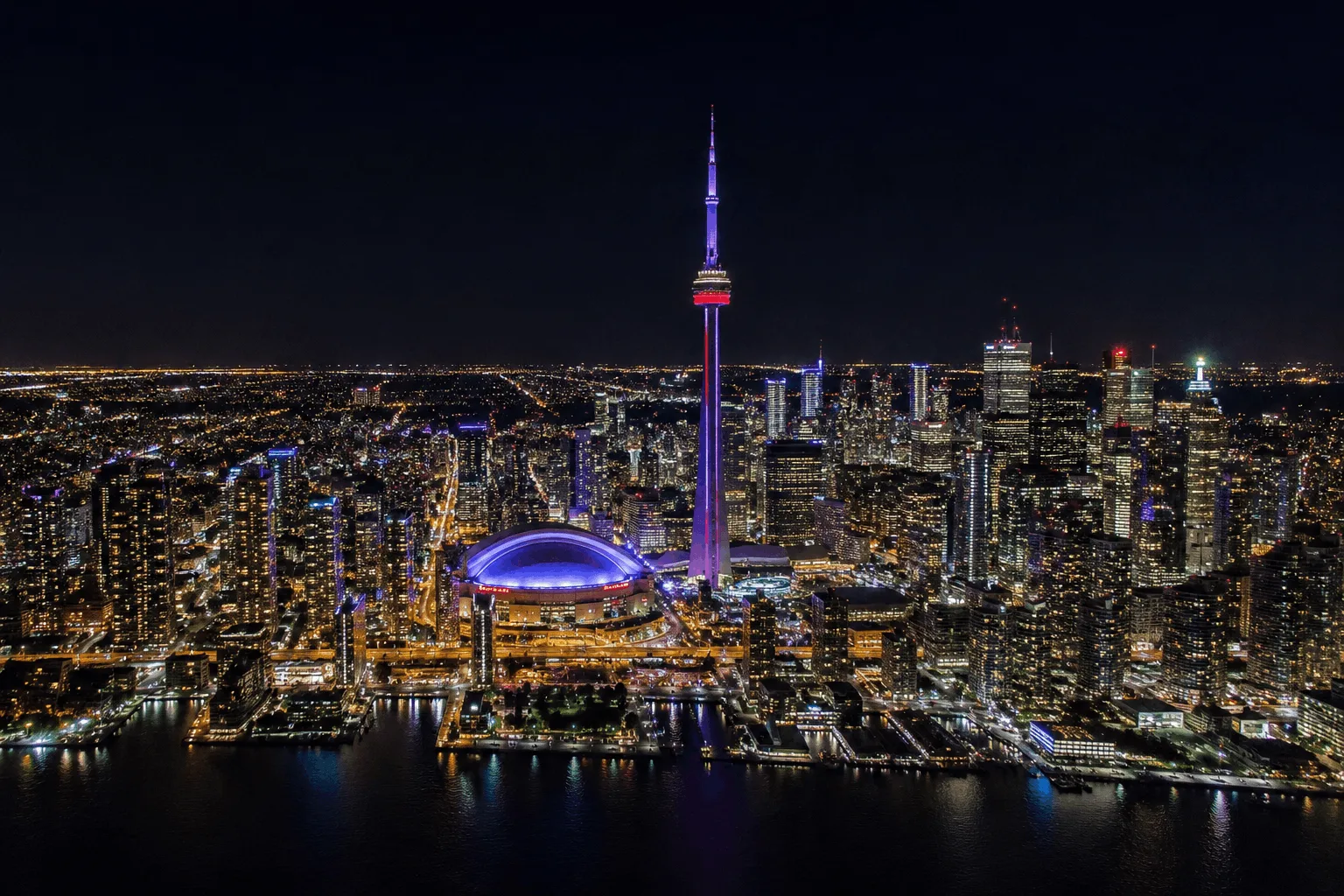
The CN Tower is the attraction every visitor expects to see, and it is genuinely worth the trip, but the experience depends almost entirely on timing. Book your ticket online in advance for a specific entry window rather than showing up and buying at the door, where the queue can stretch well past an hour on summer afternoons. Late afternoon, roughly ninety minutes before sunset, gives you daylight views of the lake and skyline followed by the city lighting up while you are still at the top, which is the single best return on a ticket price that otherwise feels steep.
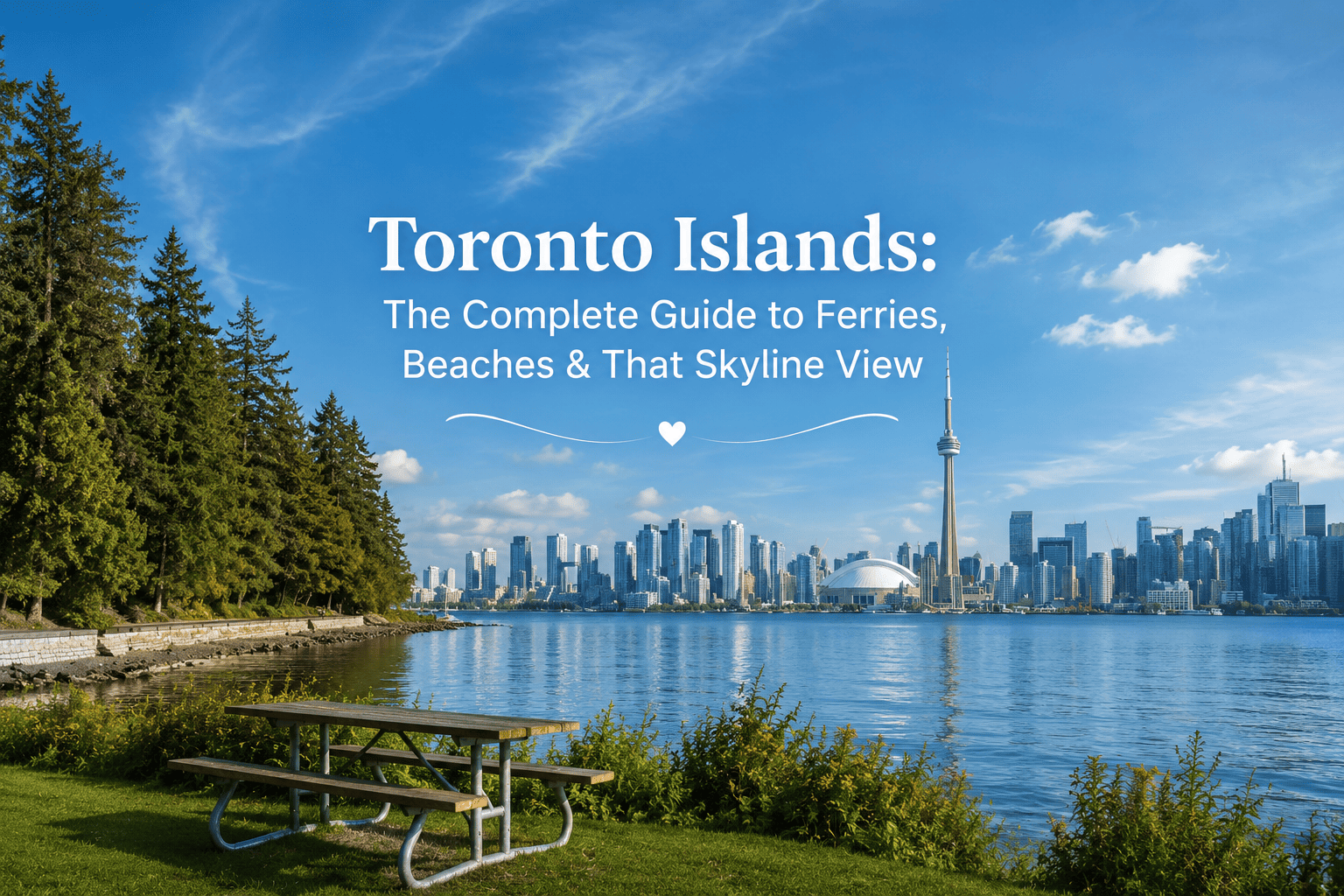
If heights and glass floors are not your thing, the Toronto Islands offer a quieter, cheaper alternative with arguably a better skyline view, since you are looking back at the tower rather than down from it. The ferry from the Jack Layton Ferry Terminal takes about fifteen minutes, and Centre Island has enough beach, bike rental, and boardwalk to fill a full afternoon without spending much at all.
You don't really understand Toronto's scale until you're on the island looking back at it. The skyline stops being a postcard and starts being a place you just walked out of.
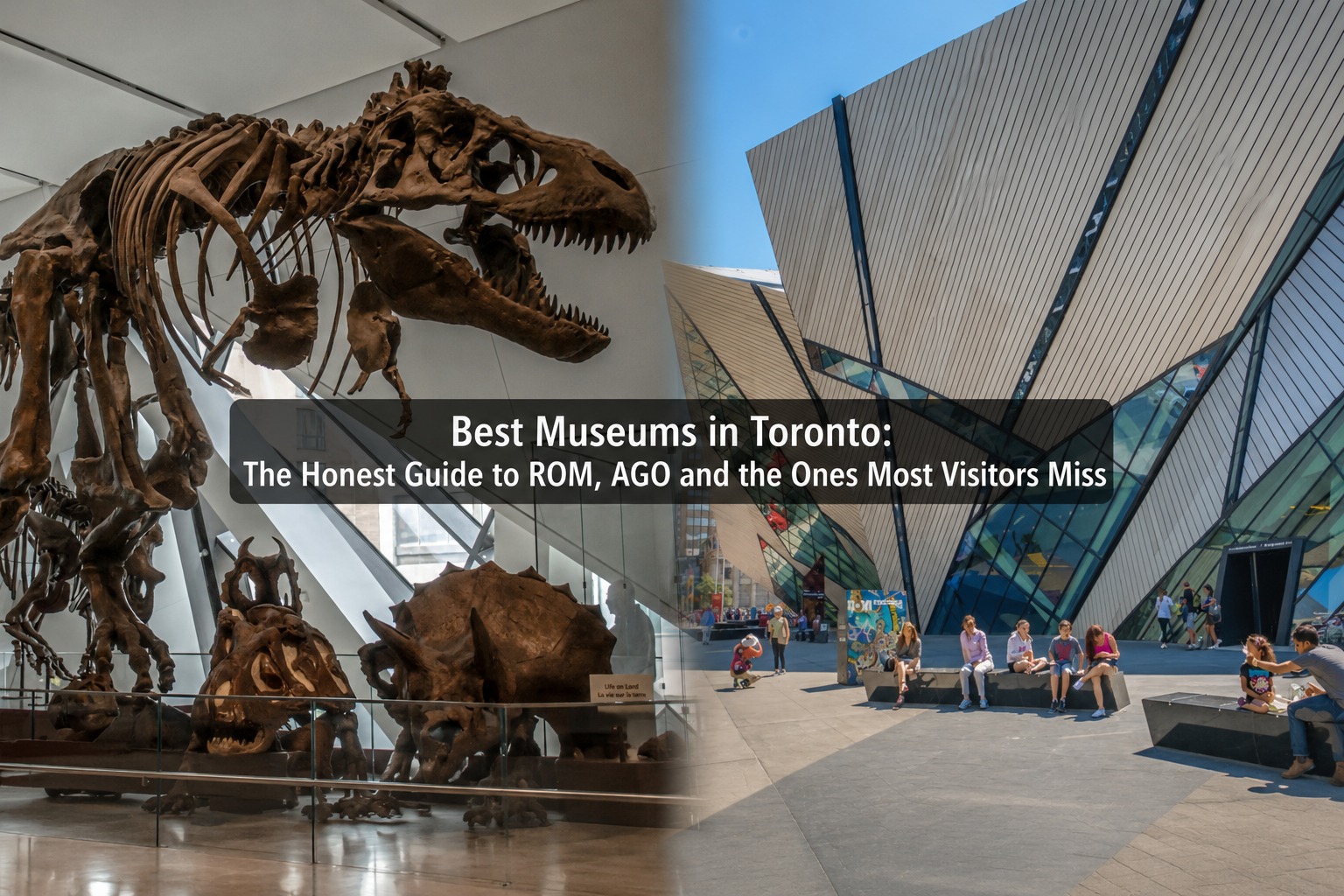
For museums, the Royal Ontario Museum and the Art Gallery of Ontario both reward at least half a day each, and Casa Loma, a genuine early-1900s castle in midtown, is a strong choice for families since the room-to-room exploration keeps kids engaged in a way that gallery walls sometimes do not. If your itinerary includes several paid attractions, it is worth locking in tickets ahead of time rather than queuing at each door separately. Book skip-the-line tickets for the CN Tower or Ripley's Aquarium and you will get back an hour or more of actual daylight.
My mistakes, and the fix for each one
I missed a connecting streetcar my first visit because I assumed the doors would wait the way subway doors sometimes do at home. They do not. Streetcars in Toronto close and pull away on a tight schedule, so if you are still crossing the street when it arrives, let it go rather than sprinting, since the next one is usually only a few minutes behind and the sprint is not worth it on wet cobblestone.
The bigger mistake was at Union Station, where I bought a paper GO Transit ticket from the wrong machine, assuming it would also work on the subway. It did not. GO Transit, which handles regional trains to places like Niagara-on-the-Lake and Hamilton, runs on a completely separate fare system from the TTC subway and streetcars. If your trip mixes a city day with a day trip out of town, keep the two fare types mentally separate, or better, load a PRESTO card that can cover both so you are not standing at a ticket machine holding up the line while you figure it out.
On a Reddit thread about first Toronto visits, one recurring warning stood out to me because it matched my own experience almost exactly: several people mentioned assuming Toronto's summer humidity would be mild because the city sits on a lake. It is not mild. July and August afternoons can feel noticeably heavier than the temperature alone suggests, and more than one traveler in that thread admitted to cutting a walking tour short because of it. A second thread, this one focused on budget travel, flagged a specific scam pattern around Yonge-Dundas Square, where someone offers to take your photo and then walks off with the phone. It is not common, but it is common enough that locals mention it unprompted.
- The free water refill station at the CN Tower is tucked past the gift shop exit, not near the ticket counter where most people look for it.
- At Union Station, skip the main Front Street exit during evening rush hour. The York Street exit on the west side clears the crowd almost entirely.
- St. Lawrence Market is closed on Sundays and Mondays, a detail that trips up a surprising number of visitors who assume every market runs daily.
What the official advisories don't quite capture
Toronto is, by most measures, one of the safer large cities in North America, and general government travel advisories tend to reflect that with fairly standard, low-level guidance. I have walked most of the downtown core, including late at night after events let out, and never felt the kind of alertness that some cities genuinely require. That said, official advisories are written for the widest possible audience, so they tend to flatten out neighborhood-level detail that actually matters day to day. In practice, the areas around major transit hubs and entertainment districts can feel different late at night than they do at noon, not dangerous exactly, just busier and less predictable. My takeaway after several visits is simple: read the official guidance for the broad strokes, then trust the same street sense you would use in any large city, and adjust based on what you actually see around you rather than what a general advisory assumes.
Budget, itinerary, and the questions people actually ask
A realistic daily budget
Budget travelers can manage on roughly CAD 70 to 90 a day by staying in a hostel or shared apartment, cooking or eating market food for at least one meal, and relying entirely on transit passes rather than rideshares. Mid-range travelers should plan closer to CAD 120 to 180 a day once a hotel room, two restaurant meals, and one paid attraction are factored in. Attraction tickets are the biggest variable: the CN Tower runs roughly CAD 45 to 65 depending on the package, while the Toronto Islands ferry and most neighborhood walking cost nothing beyond transit fare.
A simple three-day itinerary
Day one stays downtown: Union Station, St. Lawrence Market for lunch, then the CN Tower timed for late afternoon light. Day two moves west and north through Kensington Market, Chinatown, and the Art Gallery of Ontario, finishing with dinner in Little Italy or on College Street. Day three is slower: the Toronto Islands by ferry in the morning, then the Distillery District in the afternoon before an early dinner, since most restaurants there quiet down noticeably after 8pm on weekdays.
Is Toronto worth a day trip to Niagara Falls?
Yes, but only if you budget the full day for it. The falls are roughly 90 minutes away by car or organized tour, and while the drive is straightforward, the return trip on a summer weekend can take considerably longer due to traffic. If you are relying on public transit rather than a tour, check GO Transit schedules in advance, since service to Niagara is less frequent than the subway and easy to miss if you are not watching the clock.
What should I pack?
Layers matter more than any single item, since Toronto's lake-effect weather can shift noticeably between morning and afternoon even in summer. A light rain shell earns its space in almost any season, comfortable walking shoes are non-negotiable given how much of the city rewards walking, and a reusable water bottle is genuinely useful since most museums and the CN Tower have refill stations once you know where to look.
Is Toronto accessible for travelers with mobility needs?
Largely yes. Most subway stations have elevator access, though a handful of older stations still lag behind, so it is worth checking the TTC's accessibility map before relying on a specific station. Streetcars on the newer low-floor fleet are step-free, while some older routes still use vehicles with steps, so allow extra buffer time if a specific route matters to your plan.
A short checklist worth saving
- PRESTO card loaded before your first subway ride, not after
- CN Tower or Ripley's Aquarium tickets booked online in advance
- St. Lawrence Market day confirmed against its Tuesday to Saturday schedule
- Layers packed for a lake-effect temperature swing between morning and evening
- A separate plan for GO Transit if a day trip to Niagara or Hamilton is on the list
Save this before your next trip
Bookmark this guide, share it with whoever is traveling with you, and revisit the checklist the night before you fly. A little planning leaves more room for the parts of Toronto you cannot plan for.
Search Cheap Flights TodayIf this guide helped you plan, saving it to Pinterest is an easy way to find it again once you are actually packing.