
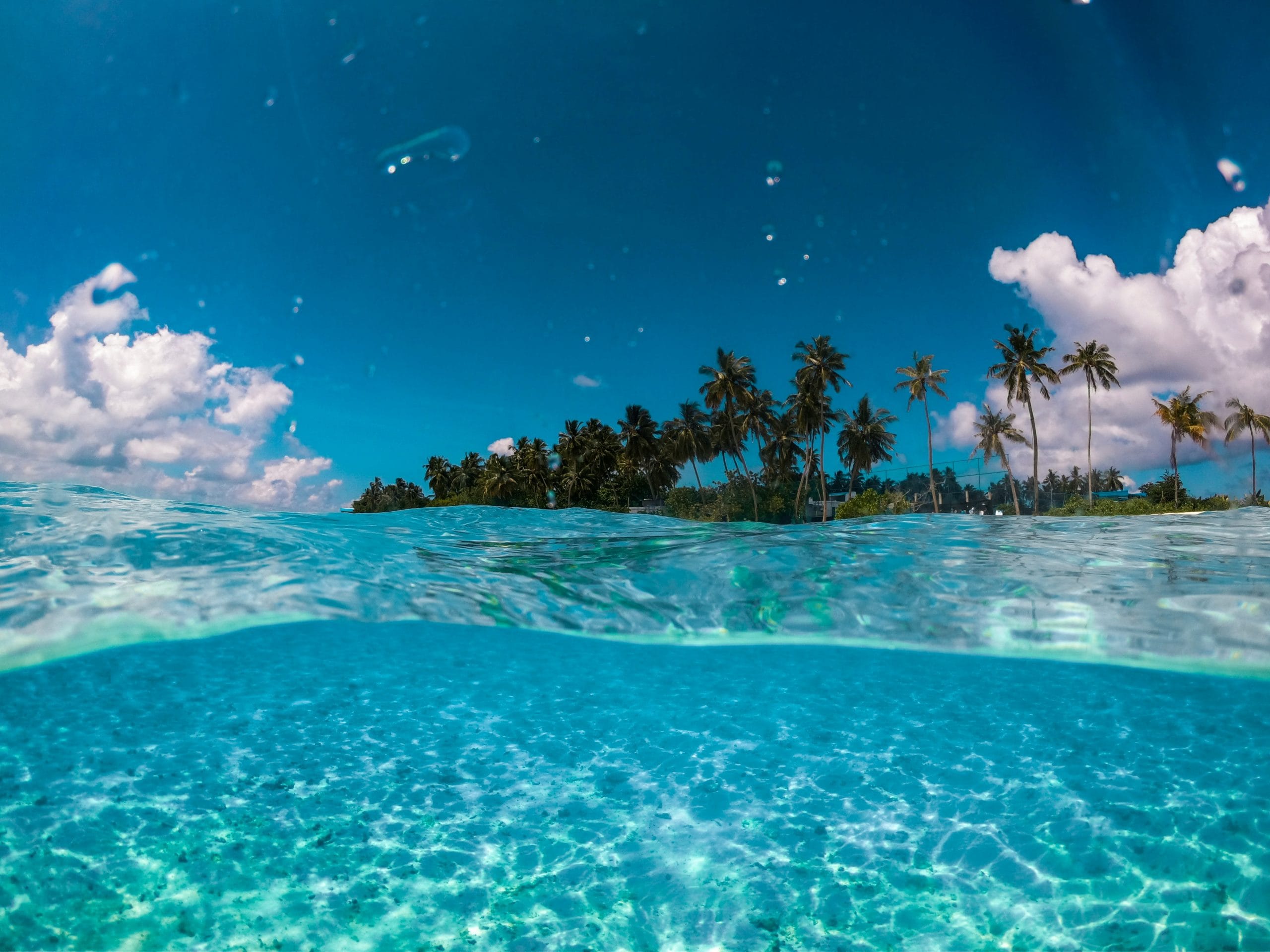
Fiji Beyond the Postcards: Is It Really Worth the Hype? An Honest 2026–2027 Travel Guide
Every travel feed eventually shows the same image: turquoise water so clear it looks painted on, a single palm tree leaning over white sand, and a caption that promises the trip of a lifetime. Fiji has become shorthand for paradise. But does the reality on the ground match the version sold in glossy brochures and honeymoon ads? After digging into what actually happens once you land in Nadi, from the price of a taxi to the truth about those overwater villas, here is the honest answer, along with everything you need to plan a trip that lives up to expectations.
.jpg "Fiji Beyond the Postcards: Is It Really Worth the Hype? An Honest 2026–2027 Travel Guide 2")
Quick Facts Before You Book
Best Time to Visit
May to October (dry season)
Currency
Fijian Dollar (FJD)
Language
English, Fijian, Fiji Hindi
Flight Time from LA
Approx. 11 hours direct
Entry Requirement
Visa-free for most nationalities, up to 4 months
Time Zone
UTC+12 (UTC+13 in DST)
So, Is Fiji Actually Worth the Hype?
The short answer is yes, but with an important caveat. Fiji is not one destination, it is an archipelago of more than 330 islands, and the experience changes dramatically depending on where you stay. A resort tucked into the Mamanuca Islands can feel exactly like the postcard: private beaches, warm water, and staff who greet you by name within a day. Meanwhile, the main island of Viti Levu, where most international flights land, includes ordinary towns, traffic, and working ports that look nothing like a honeymoon brochure.
This is the detail most articles skip. The magic of Fiji is real, but you generally have to leave the airport area to find it. Travelers who book a resort directly in Nadi town and never venture out sometimes leave disappointed, simply because they never reached the outer islands that define Fiji's reputation. Understanding this distinction before you book is the single biggest factor in whether your trip meets expectations.
I have spent time across several South Pacific island chains, and Fiji's official tourism messaging leans a little more polished than the on-the-ground reality in transit hubs like Nadi. That said, the outer island resorts consistently outperform expectations once you actually reach them. The gap between the marketing image and daily life is smaller here than in many popular beach destinations, but it still exists. My takeaway for travelers: budget an extra transfer day to reach an outer island rather than settling for something close to the airport, because that one decision shapes the entire trip.
Best Time to Visit Fiji in 2026 and 2027
Fiji sits in the tropics, which means the calendar really comes down to two seasons rather than four. The dry season runs roughly from May through October, bringing lower humidity, minimal rainfall, and calmer seas that are ideal for snorkeling and diving. This is also peak season, so prices climb and popular resorts book out months ahead, particularly around July and August school holidays in Australia and New Zealand.
The wet season, from November through April, brings higher humidity, short but heavy tropical downpours, and the small chance of a cyclone, most likely between January and March. It is also noticeably cheaper, greener, and quieter. If flexibility matters more to you than guaranteed sunshine, shoulder months like May, June, September, and early November often deliver the best balance of good weather and lower rates for a 2026 or 2027 trip.
Fijian school holidays and Australian winter break both fall in July, which pushes up demand on flights and family-friendly resorts. If you want a quieter version of the same beaches, aim for late May or the second half of September.
Getting There: Flights, Airports and Entry Requirements
Almost all international flights arrive at Nadi International Airport (NAN) on the western side of Viti Levu, with a smaller number of connections through Nausori Airport (SUV) near the capital, Suva. Direct flights connect Nadi with Los Angeles, San Francisco, Sydney, Melbourne, Brisbane, and Auckland, while most European travelers route through Los Angeles or Hong Kong.
Most passport holders, including those from the United States, United Kingdom, Canada, the European Union, and Australia, do not need a visa in advance and are granted a visitor permit on arrival, typically valid for four months. A return or onward ticket and a passport valid for at least six months beyond your travel dates are usually required at check-in. Given how far Fiji sits from most departure points, it is worth comparing routes carefully, since a single stopover can add or remove several hours from an already long journey.
If your itinerary includes multiple legs or you want to track fare changes before committing, it helps to compare flight prices before you book rather than purchasing the first option you see, since fares to Fiji can shift noticeably depending on the week you fly.

Where to Stay: From Backpacker Bures to Overwater Villas
Accommodation in Fiji spans a wider range than most people expect. Budget travelers can find simple beachfront bures, the traditional thatched-roof cottages, for a fraction of resort prices, often with shared kitchens and a genuinely social backpacker atmosphere, particularly around the Yasawa Islands. Mid-range travelers tend to gravitate toward family-run resorts on the Coral Coast or Denarau Island, which offer private rooms, pools, and organized excursions without five-star pricing.
At the top end, Fiji is genuinely competitive with the Maldives for overwater villa experiences, usually at a lower price point and with a shorter flight time for travelers coming from North America or Australia. The Mamanuca and Yasawa island groups host most of the well-known luxury resorts, many of which are adults-only or specifically designed around honeymoons and anniversaries.
Choosing Your Base Island
- Denarau Island: Convenient for short trips, close to the airport, multiple resorts within walking distance of each other.
- Coral Coast: A good middle ground with real villages nearby and easy day trips.
- Mamanuca Islands: Classic postcard scenery, a 30 to 90 minute boat transfer from Denarau.
- Yasawa Islands: Quieter, more remote, ideal for travelers who want fewer crowds and don't mind a longer boat ride.
Top Things to Do in Fiji
Fiji rewards travelers who mix relaxation with at least a few active days. Snorkeling and diving are the obvious highlights, thanks to the Great Astrolabe Reef and the soft coral gardens near Taveuni, often called the soft coral capital of the world. Beyond the water, hiking through the rainforest at Bouma National Heritage Park on Taveuni leads to a series of waterfalls where you can swim beneath the falls themselves.
Cultural experiences deserve equal attention. Visiting a local village, watching a meke performance, and joining a kava ceremony offer insight into Fijian life that no beach can provide. Many resorts organize these visits directly, though independent travelers can also arrange respectful village tours through local guides.
For Divers
Great Astrolabe Reef, Beqa Lagoon shark dives
For Hikers
Bouma National Heritage Park, Colo-i-Suva Forest Park
For Culture
Village visits, kava ceremonies, Suva's museums
For Families
Denarau's calm lagoons, South Sea Island day trips
If you would rather lock in a few activities before you land, it can be worth taking a moment to explore local experiences and reserve popular day trips in advance, since island-hopping tours and reef excursions do sell out during peak season.
Fijian Culture, Kava Ceremonies and Village Etiquette

Fiji consistently ranks among the friendliest destinations in the world, and much of that reputation comes down to genuine cultural pride rather than a tourism script. If you visit a village, custom requires a small gift of kava root, known as sevusevu, presented to the village chief as a sign of respect before you are welcomed in. Most organized tours handle this formality on your behalf, but it helps to know it exists.
A few etiquette points make a real difference. Cover your shoulders and knees when entering a village, remove hats and sunglasses as a sign of respect, and avoid touching anyone's head, which is considered sacred in Fijian culture. None of this is complicated, but travelers who take a moment to understand it tend to have noticeably warmer interactions with local families.
"Fiji time" isn't a marketing phrase. It reflects a genuinely slower, more community-oriented pace of life that visitors are invited to share in, not just observe.
Budget Guide: How Much Does a Trip to Fiji Actually Cost
Fiji can be genuinely affordable or genuinely expensive, depending entirely on how you structure the trip. Backpackers sharing dorm-style bures and eating at local cafes can manage a comfortable daily budget on a fraction of resort rates, especially in the Yasawa Islands where hostel-style properties are common. Mid-range travelers booking a private room resort with breakfast included sit in a moderate middle tier, while a private overwater villa on Mamanuca or Malolo can easily reach luxury pricing that rivals the Maldives.
Interisland transfers are one of the most overlooked costs. Boat transfers, seaplane rides, and small domestic flights between islands add up quickly, so it is worth building these into your budget from the start rather than discovering them once you arrive. Food and drink at resorts also tend to be priced at international rates, while meals at local restaurants in Nadi, Sigatoka, or Suva cost noticeably less.
Money-Saving Tips
- Book inter-island transfers together with your resort stay for bundled pricing.
- Travel in the shoulder season for lower resort rates without sacrificing good weather.
- Eat at least a few meals outside the resort at local eateries.
- Compare package deals that bundle flights, transfers, and accommodation together.
Getting Around the Islands
Once you're in Fiji, transportation options vary by island. Viti Levu has buses, taxis, and rental cars connecting Nadi, the Coral Coast, and Suva. Getting to the outer islands generally means a boat transfer from Denarau Marina or a short domestic flight, and both options should be booked ahead of arrival during peak months.

For anything related to flight changes, baggage policy questions, or figuring out which airline desk to contact at the airport, a resource like TorontoBook can be genuinely useful for sorting out airline contact details and terminal information before you travel, particularly if your itinerary includes a connecting flight through a hub airport.
Common Mistakes First-Time Visitors Make
- Staying only near the airport: Nadi town itself is not representative of Fiji's natural beauty. Plan at least one transfer to an outer island or the Coral Coast.
- Underestimating transfer times: Some resorts are a 90-minute boat ride from Denarau, which affects your first and last day significantly.
- Skipping travel insurance: Given the remote nature of many resorts, insurance that covers medical evacuation is worth the cost.
- Ignoring the wet season entirely: Shoulder months in the wet season can offer excellent value with only occasional rain showers.
- Overpacking for formality: Fiji is relaxed. Lightweight, breathable clothing works better than formal resort wear.
Frequently Asked Questions About Visiting Fiji
Do I need a visa to visit Fiji?
Most visitors from the US, UK, EU, Canada, and Australia receive a visitor permit on arrival, typically valid for four months, as long as they hold a valid passport and a return or onward ticket.
How many days do you need in Fiji?
Seven to ten days allows enough time to settle into resort life on an outer island while still leaving room for one or two excursions, such as a village visit or a snorkeling trip.
Is Fiji expensive to visit?
It depends heavily on your accommodation choice. Backpacker-style stays keep costs modest, while private island resorts and villas push the trip into luxury pricing territory.
Is Fiji safe for solo travelers and families?
Fiji is generally considered one of the safer Pacific destinations for both solo travelers and families, with low rates of violent crime, though normal precautions around belongings still apply in busier towns.
What is the best island to stay on in Fiji?
It depends on your priorities. Denarau suits short trips and convenience, the Coral Coast offers a cultural middle ground, and the Mamanuca or Yasawa Islands deliver the classic postcard scenery most travelers picture.
Final Verdict: Should You Book the Trip
Fiji earns its reputation, but only once you get past the airport transit zone and reach the islands that made it famous in the first place. The water really is that blue in the right locations, the hospitality really is unusually warm, and the mix of reef, rainforest, and culture gives the destination more depth than a typical beach holiday. The key to a trip that matches expectations is choosing the right base island, budgeting properly for inter-island transfers, and building in time to experience Fijian culture rather than staying inside a resort bubble the entire time.
If this guide helped you picture your own trip, save it to Pinterest so you can find it again when you're ready to book, and share it with anyone else weighing whether Fiji is worth the flight.
Ready to start planning your Fiji trip?
Compare flights, lock in your favorite island, and start counting down the days.
Find the Best Flight Deals