

Paris Like a Local: A Complete Insider's Guide to the City of Light
There is a particular hour in Paris, somewhere between the last café closing its shutters and the first boulangerie pulling its bread from the oven, when the city belongs entirely to whoever is awake to see it. This guide is built for that kind of traveler: the one who wants the real Paris, not just the postcard version.

Quick Facts Before You Go
- LanguageFrench, with English widely spoken in tourist areas
- CurrencyEuro (EUR)
- Best time to visitApril to June, September to October
- Time zoneCentral European Time (CET/CEST)
- Main airportsCharles de Gaulle (CDG), Orly (ORY)
- Average daily budget€90 to €220 depending on style
Paris rewards travelers who slow down. Yes, the Eiffel Tower and the Louvre deserve their reputations, but the city's real personality lives in the small moments: a baker calling out to a regular customer, the click of heels on cobblestones in the Marais, the hush inside a centuries old church just off a busy boulevard. This guide walks through everything you need to plan a trip that feels effortless, from the best season to visit through to a full three day itinerary, honest budget numbers, and the kind of practical advice that only comes from having actually navigated the city's quirks.
Best Time to Visit Paris
Paris has a season for nearly every kind of traveler, and the difference between arriving in the right window and the wrong one can shape the entire trip. Late spring, from April through June, brings mild temperatures, blooming chestnut trees along the boulevards, and long daylight hours that stretch well past nine in the evening. Early autumn, particularly September and the first half of October, offers a similar sweet spot with fewer crowds and softer light for photography.
Summer is Paris at its busiest and warmest, with July and August drawing the largest crowds to major landmarks, though many Parisians leave the city for their own holidays during this period, which can make certain neighborhoods feel quieter than expected. Winter, from November through February, is the low season for tourism and pricing, and while the weather turns grey and damp, the city takes on a cozy, intimate character, especially around the Christmas markets and the ice rink at Hôtel de Ville.
Getting to Paris: Airports and Entry Essentials
Most international travelers arrive through Charles de Gaulle Airport, roughly 25 kilometers northeast of the city center, or the smaller Orly Airport to the south, which handles more domestic and some European routes. Both airports connect to central Paris by train, bus, and taxi, with the RER B line running directly from Charles de Gaulle into the heart of the city in about 50 minutes.
If your travel dates are still flexible, comparing airfares across several booking platforms before committing can make a meaningful difference in cost, especially during peak season. You can compare flight prices before you book to see how fares shift depending on your travel window and departure city.
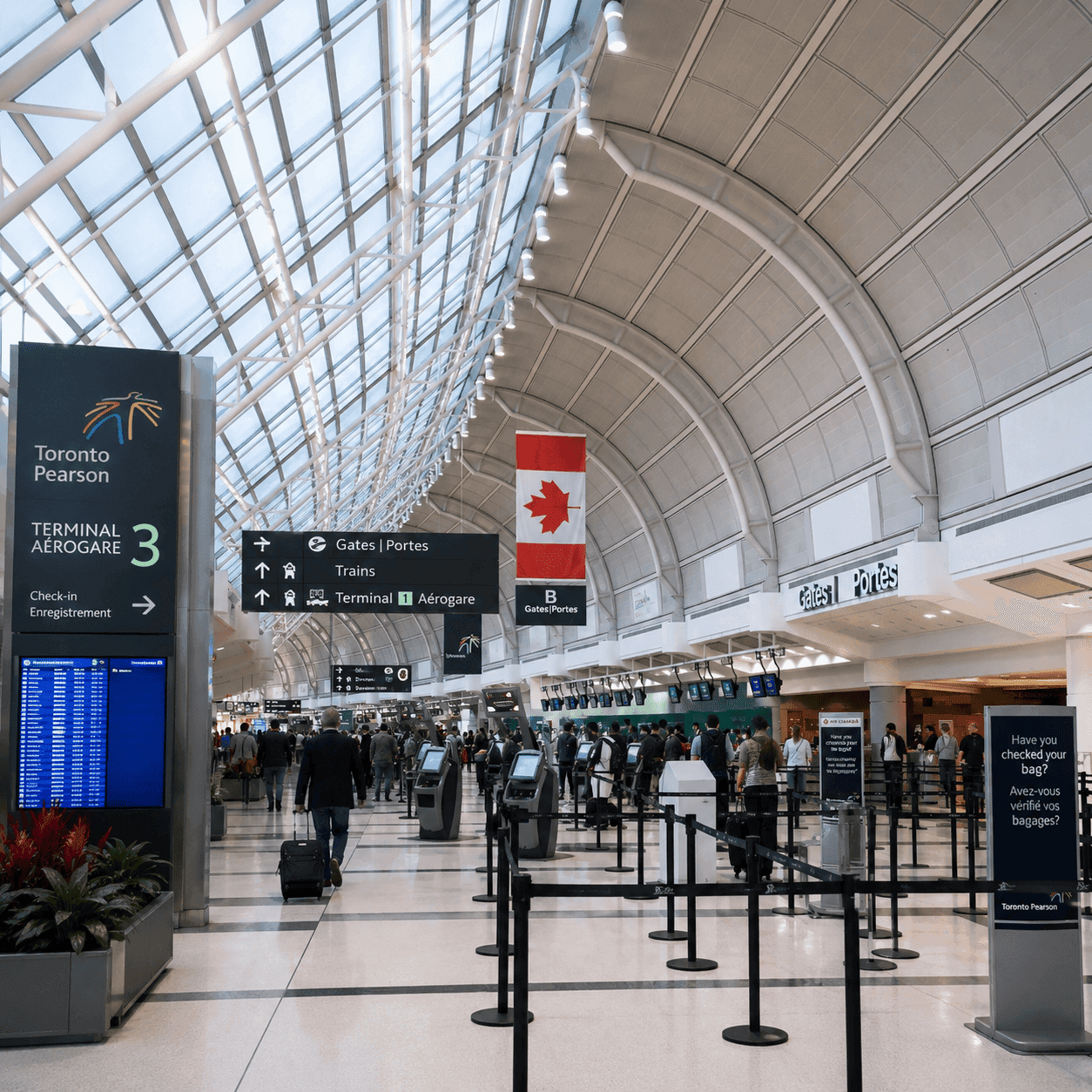
Entry requirements depend heavily on your nationality, and rules around visas, passport validity, and airline documentation can change with little notice. For up to date guidance on airline offices, airport terminal layouts, and flight change policies, a resource like TorontoBook is genuinely useful for double checking the fine print before you fly, particularly if your itinerary involves a connection or a same day transfer between terminals.
Getting Around: The Paris Transportation Guide
Paris is one of the most walkable capital cities in Europe, and many of its most memorable moments happen simply wandering between neighborhoods. That said, the Métro is the backbone of getting around efficiently, with 16 lines covering nearly every corner of the city and trains running roughly every two to five minutes during the day.
A carnet of paper tickets has largely been replaced by the rechargeable Navigo Easy card, which works across the Métro, buses, and the RER within the city zones. For visitors planning to see several museums and use public transport heavily, a multi day Paris Visite pass or a museum pass bundled with transport can work out cheaper than paying per ride.
- Metro operates roughly 5:30am to 1:15am, later on weekends
- Taxis and rideshare apps are widely available but pricier during rush hour
- Vélib bike share stations are found throughout the city center
- Walking remains the best way to discover smaller streets and local shops

Unmissable Landmarks and Quiet Corners
The Eiffel Tower remains the city's defining silhouette, and while climbing to the top is worthwhile at least once, some of the best views of the tower are actually from a distance, at Trocadéro or along the Champ de Mars, especially at night when it sparkles for five minutes on the hour. The Louvre needs no introduction, but its scale is genuinely overwhelming, so choosing two or three wings to focus on will serve you far better than trying to see everything in one visit.
Notre-Dame Cathedral continues its restoration following the 2019 fire, and while access has changed over the years, the surrounding Île de la Cité remains one of the most atmospheric parts of the city to explore on foot. Montmartre, perched above the rest of Paris, offers the Sacré-Cœur basilica, artists' squares, and views that stretch across the entire skyline.
Beyond the major sites, Paris rewards travelers who seek out its quieter corners: the covered passages near the Grands Boulevards, the Canal Saint-Martin on a weekday morning, or the Promenade Plantée, an elevated walking path that predates New York's High Line by more than a decade. For skip the line access to major sites and guided experiences, you can reserve skip the line tickets in advance, which can save hours during peak season.
Paris is not a city you finish. It is a city you return to, each time noticing something you walked past a dozen times before.
A Taste of Paris: Food, Cafés, and Patisseries
Food in Paris is not an activity separate from sightseeing, it is woven into the rhythm of the day. Breakfast is usually simple, a coffee and a croissant standing at a counter, while lunch often means a formule, a fixed price two or three course menu offered by neighborhood bistros that rarely appears on tourist focused menus near major landmarks.
Markets are one of the best ways to understand how Parisians actually eat. Marché des Enfants Rouges in the Marais and the open air stalls along Rue Mouffetard offer a mix of produce, cheese, and prepared food that makes for an easy, affordable lunch. For something sweeter, seek out a proper patisserie rather than a chain bakery. The difference in quality, and often the price, is significant.
- Try a proper French onion soup in a traditional bistro during colder months
- Visit a fromagerie to sample regional cheeses you won't find at home
- Reserve dinner tables in advance for anywhere with strong reviews
- Tap water is safe to drink and perfectly acceptable to request in restaurants

Where to Stay: Neighborhoods for Every Traveler
Choosing the right neighborhood shapes the entire feel of a Paris trip more than almost any other decision. The Marais offers a walkable mix of historic architecture, boutiques, and nightlife, and works well for first time visitors who want to be near major sites without feeling like they are staying in a tourist zone. Saint-Germain-des-Prés suits travelers drawn to a more literary, upscale atmosphere, with its famous cafés and art galleries.
Families often gravitate toward the 7th arrondissement, close to the Eiffel Tower and generally quieter in the evenings, while younger travelers and those looking for nightlife tend to prefer the Canal Saint-Martin area or Belleville, both of which offer a more local, less polished character at generally lower prices.
A Perfect Three Day Paris Itinerary
Three days is enough time to cover the essentials without rushing, provided the itinerary is built around geography rather than a scattered wish list.
Day One: Iconic Paris
Start early at the Eiffel Tower before the crowds build, walk along the Seine toward the Musée d'Orsay, then spend the afternoon in Saint-Germain-des-Prés. End the day watching the tower light up from Trocadéro.
Day Two: Art and History
Dedicate the morning to the Louvre, focusing on two or three wings rather than attempting the whole museum. Cross to Île de la Cité in the afternoon, then explore the Marais for dinner and evening wandering.
Day Three: Montmartre and Local Life
Spend the morning climbing through Montmartre to the Sacré-Cœur, then descend into the 9th arrondissement for lunch. Use the afternoon for whichever landmark you have not yet reserved, whether that is a boat tour on the Seine or booking unforgettable tours through the catacombs or Sainte-Chapelle.
Budget Guide: What Paris Really Costs
Paris can be as expensive or as reasonable as you choose to make it. Budget travelers staying in hostels, eating at bakeries and markets, and relying on public transport can realistically manage on around €90 to €110 per day. Mid range travelers, mixing three star hotels with the occasional sit down dinner, tend to land closer to €150 to €200 per day, while a more comfortable, upscale trip with boutique hotels and reserved dining can climb toward €300 or more.
Museum passes, transport cards, and choosing accommodation slightly outside the very center can meaningfully reduce costs without sacrificing much convenience, since even neighborhoods a short Métro ride from major landmarks tend to be noticeably cheaper.
Safety, Etiquette, and Travel Advisories
Paris is generally a safe city for travelers, though like any major capital it has areas and situations that call for ordinary street awareness, particularly around pickpocketing near crowded landmarks and on busy Métro lines. Keeping bags zipped and valuables out of back pockets covers most of the practical risk.
I have traveled through several major European capitals that carry official travel advisories for petty crime, Paris included, and in practice the gap between the warning and the day to day reality is usually smaller than people expect. What official advisories rarely explain is where the risk actually concentrates, which in Paris tends to be a handful of predictable spots: the RER B toward the airports, the steps of Sacré-Cœur, and the areas immediately around major ticket lines. My practical takeaway is simple: read the advisory for awareness, then focus your actual caution on those specific pinch points rather than treating the entire city as uniformly risky.
French etiquette places real value on a simple greeting. Saying "bonjour" when entering a shop, café, or even approaching a stranger for directions goes a long way, and skipping it is one of the more common ways visitors unintentionally come across as rude. Tipping is not expected in the way it is in North America, since a service charge is already included by law, though rounding up or leaving small change for excellent service is appreciated.
Packing Tips for Paris
- Comfortable walking shoes matter more than any other packing decision
- A light layer or scarf works for the unpredictable shifts in weather
- A compact umbrella earns its space in your bag most months of the year
- Smart casual clothing helps for restaurants with a dress expectation
- A crossbody bag with a zip closure is safer than an open tote in crowds
Frequently Asked Questions About Visiting Paris
How many days do you need in Paris?
Three to four days covers the essential landmarks comfortably, while five or more allows time for day trips to Versailles or Giverny without feeling rushed.
Is Paris expensive for tourists?
Paris can suit a range of budgets. Museums, markets, and public transport keep costs manageable, while dining and boutique hotels can push spending higher if you choose them frequently.
Do I need to speak French to visit Paris?
No, but a few basic phrases, especially greetings, are genuinely appreciated and tend to improve interactions with locals.
What documents do I need to enter France?
Requirements vary by nationality and change periodically, so it is worth confirming current entry rules directly with your airline or a trusted resource like TorontoBook before departure.

Paris rarely reveals itself all at once. It tends to arrive in fragments, a smell of fresh bread near a Métro exit, the particular grey blue of the sky over the rooftops at dusk, a stranger's small kindness when you are visibly lost. Plan the logistics carefully, but leave enough room in the schedule to simply be in the city without a destination in mind. That is usually where the best memories end up living.
Ready to Start Planning?
Save this guide for later, share it with a fellow traveler, or pin it to your Paris travel board so it's ready when you start booking.
Find the Best Flight Deals