
Italy / Hidden Gems
Beyond Rome and Florence: The Italian Towns That Feel Like a Secret
Rome and Florence earned their fame honestly, but they've also earned something less flattering, crowds so dense in peak season that entire piazzas function more like queues than public squares. The Italy worth returning to again and again lives somewhere quieter, in towns most travelers fly right past on their way to the postcard cities.
This guide skips the obvious stops in favor of places that still feel, at least for now, like something you found rather than something you were sold.
In This Guide
Matera, the City Carved From Stone
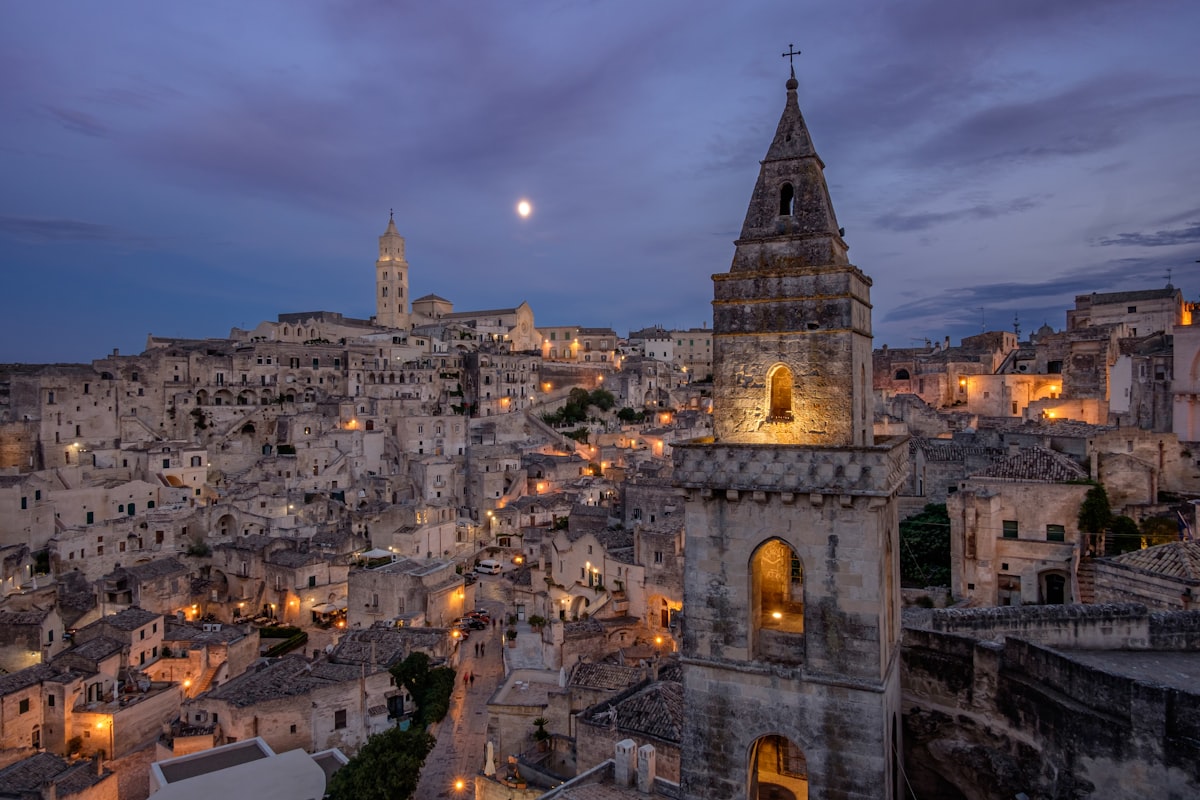
Matera looks less like a city and more like something grown out of the landscape itself. Its famous sassi, cave dwellings carved directly into limestone cliffs and inhabited continuously since the Paleolithic era, were considered a national disgrace as recently as the 1950s, when the Italian government relocated residents out of what it called "the shame of Italy." Today those same caves house boutique hotels and restaurants, and the transformation is one of the more remarkable comeback stories in European tourism.
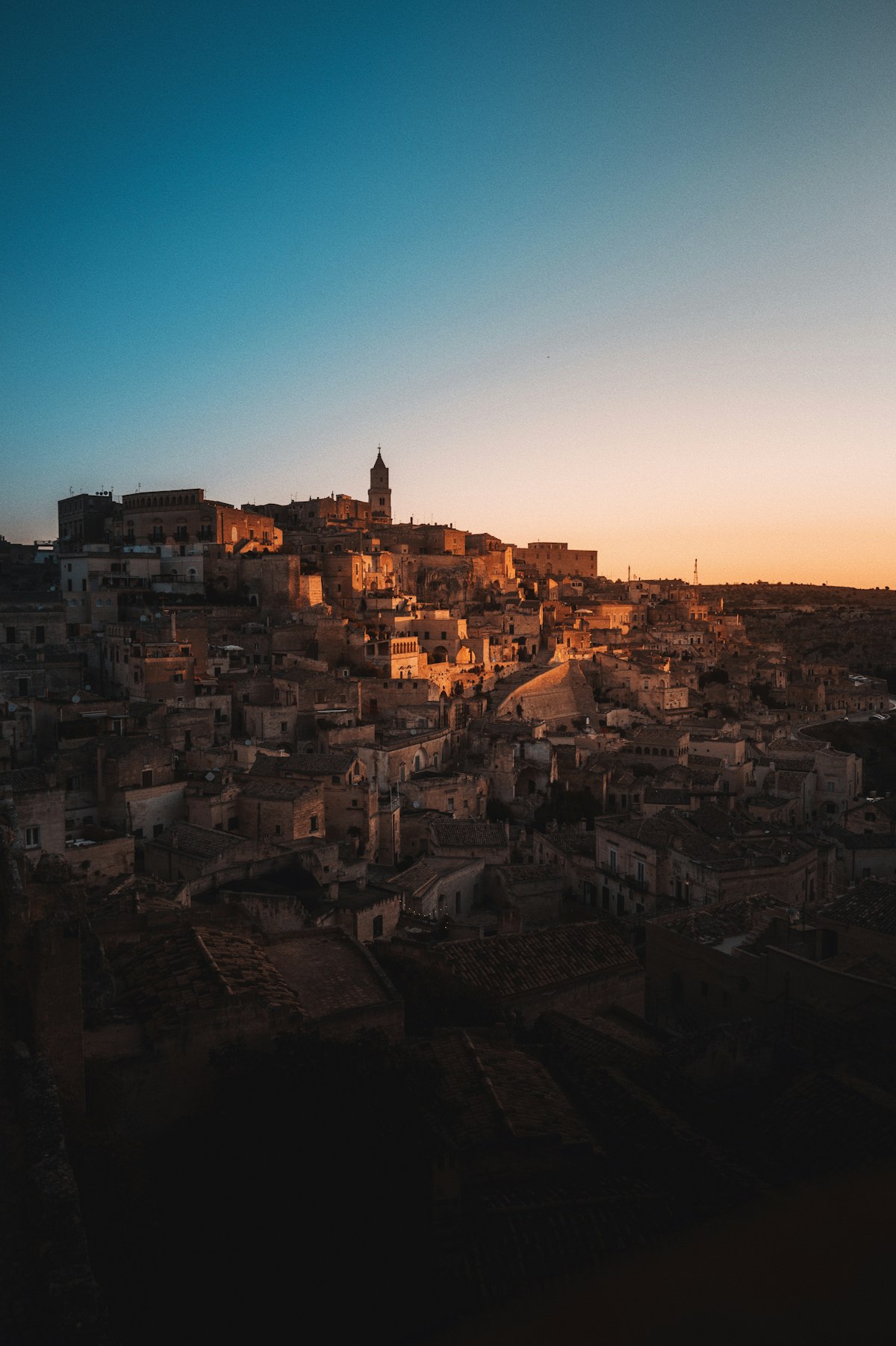
Walk the sassi at dusk, when the stone catches the fading light and the whole district glows amber, and it becomes obvious why filmmakers keep returning here to stand in for ancient Jerusalem.
Lecce, the Florence of the South
Deep in the Salento peninsula, Lecce built its entire old town from a soft golden limestone called pietra leccese, easy to carve and prone to catching light in a way that makes even ordinary doorways look like sculpture. The Baroque churches here are so elaborately carved that art historians coined a specific term, barocco leccese, just to describe the local style.
Matera
Ancient cave city, Basilicata region, dramatic sunset light
Lecce
Baroque architecture, Salento peninsula, close to great beaches
Manarola
Cinque Terre village, cliffside vineyards, quieter than Vernazza
Orvieto
Hilltop Umbrian town, Gothic cathedral, underground caves
Beyond the architecture, Lecce is a genuinely relaxed base for exploring Salento's coastline, some of the clearest water in Italy sits less than thirty minutes away, without the crowds that overwhelm the Amalfi Coast in summer.
Italy's most memorable towns rarely announce themselves. They simply wait at the end of a road most people don't bother taking.
The Quieter Side of Cinque Terre
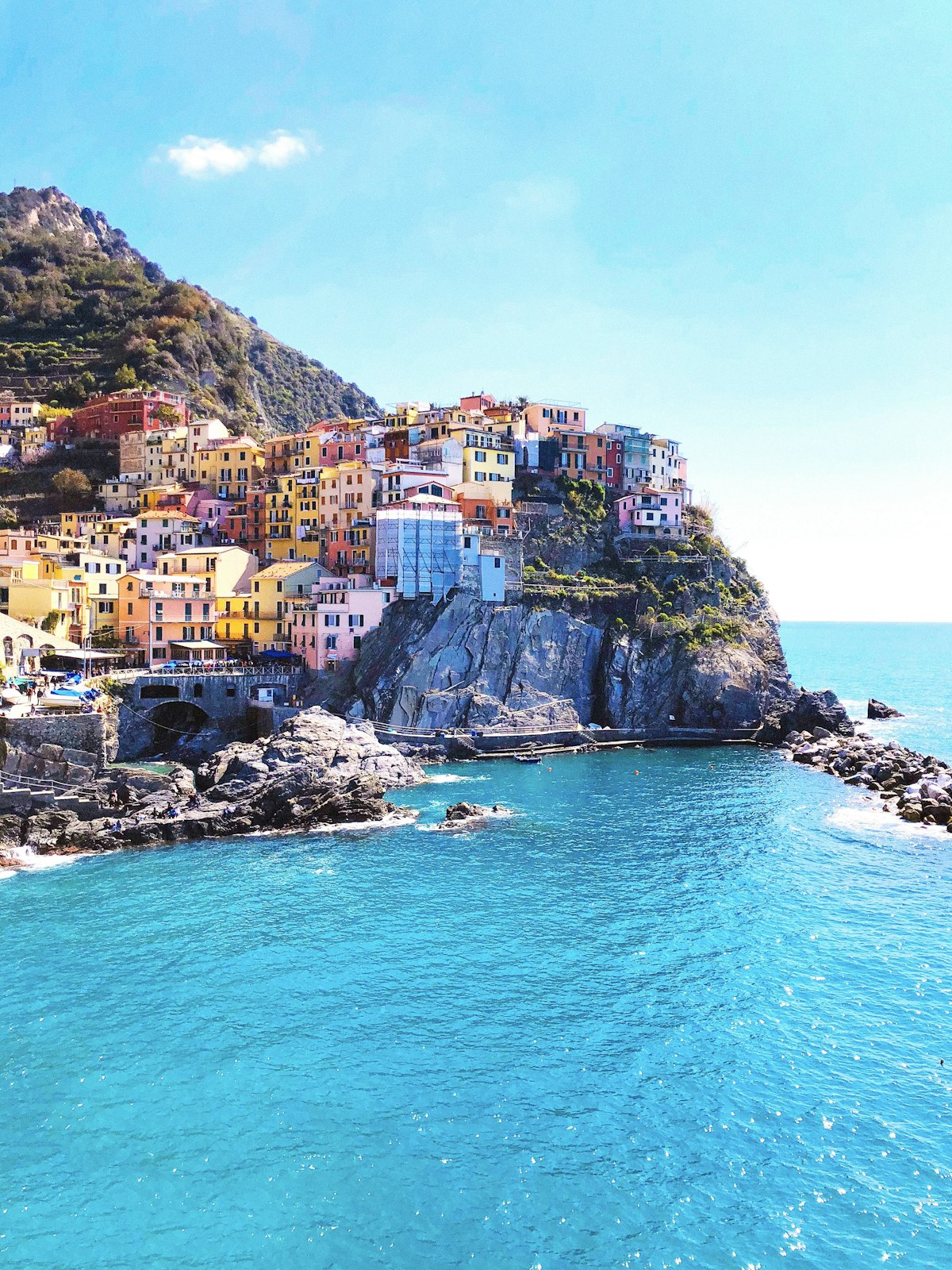
Cinque Terre gets plenty of attention already, but most of it concentrates on Vernazza and Monterosso, leaving Manarola and Corniglia noticeably calmer even in high season. Manarola's cliffside vineyards produce a distinctive local wine, Sciacchetra, and the village's harbor, ringed by candy-colored houses stacked up the hillside, remains one of the most photographed spots in the country for good reason.
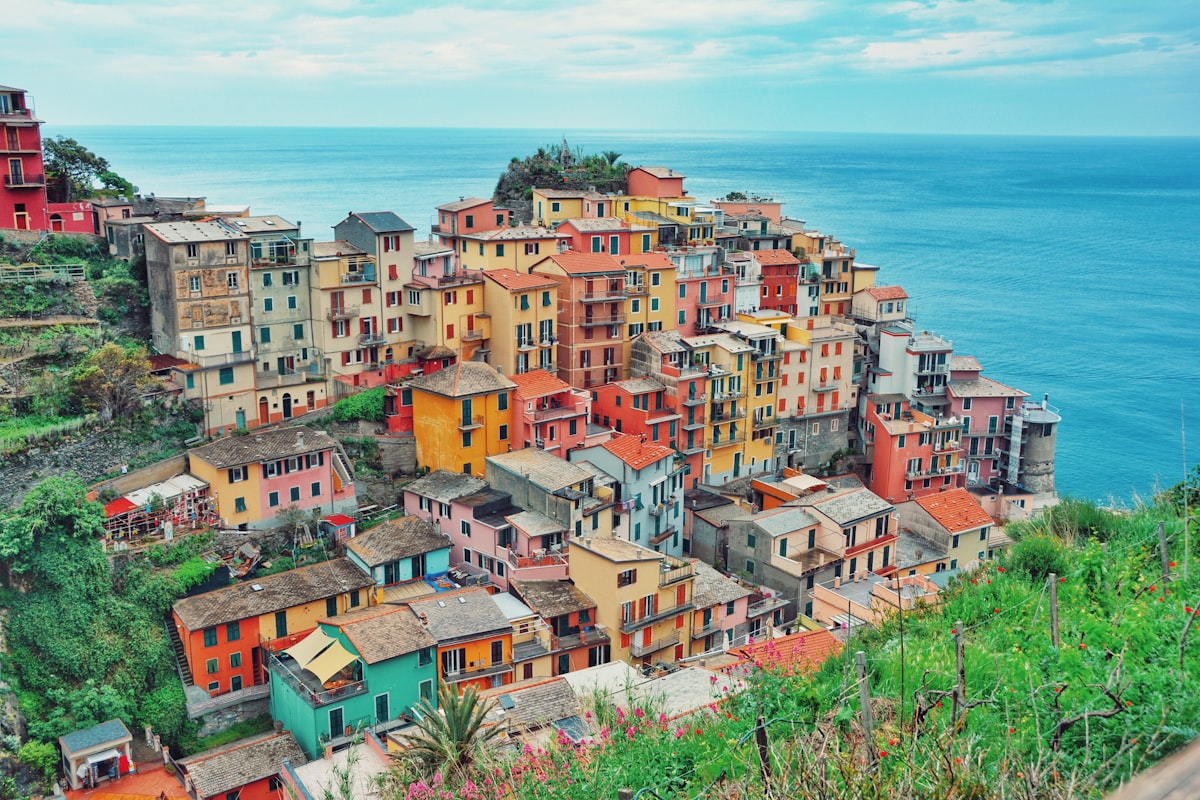
The coastal trail connecting the five villages offers some of the best hiking in Italy, though sections close periodically after landslides, so it's worth confirming current access before building a whole day around it. Guided access to explore amazing experiences along this coastline, including boat tours between villages, tends to be a smart backup when trail sections are closed.
Orvieto, a Cliff Above the Umbrian Plain
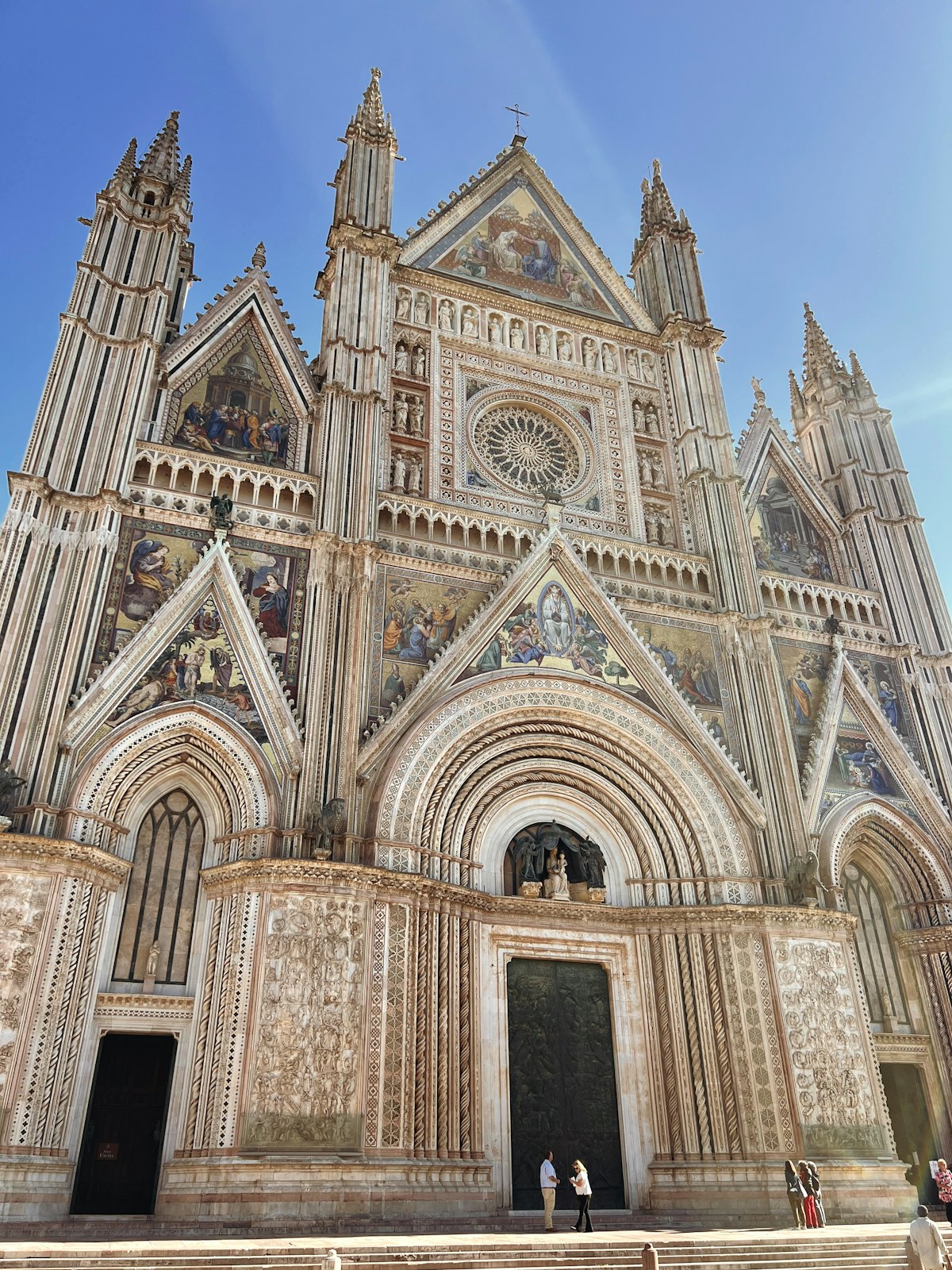
Perched on a volcanic plateau in Umbria, Orvieto rewards visitors with one of Italy's most striking Gothic cathedrals, its striped marble facade catching gold light at sunset in a way that stops most first-time visitors mid-step. Beneath the town, an entire network of Etruscan and medieval caves and tunnels, carved over 2,500 years, opens for guided tours that reveal a city literally built on top of itself.
Most small-towns Italy trips start with a flight into Rome, Naples, or Bari.
Explore Budget FlightsPlanning a Small-Towns Italy Trip
These towns reward a slower pace and, ideally, a rental car, train connections exist but often involve long waits between smaller stations. A two-week trip could realistically string together Matera, Lecce, and a few Puglia beach towns in the south, or Orvieto and Cinque Terre in a shorter central-to-northern loop.
- Visit in May, June, or September for the best light and manageable crowds.
- Base yourself in one town for two or three nights rather than changing hotels daily.
- Book Cinque Terre trail passes online ahead of your visit during summer months.
- Budget $110 to $170 a day per person for mid-range travel outside the major cities.
Stitching together a multi-town Italy itinerary usually means juggling more than one airport and airline, and getting the connections right matters. TorontoBook.com is a useful stop for confirming baggage policies and flight changes before committing to a route through Italy's smaller regional airports.
Italy's big cities will always draw the crowds, and rightly so. But the towns carved into cliffs, built from golden stone, or perched on volcanic plateaus are where the country still feels unrehearsed. Save this guide for your next Italian trip, and consider letting one of these towns replace a day you'd otherwise spend standing in line somewhere far more famous.