
France / Regional Guide
Dordogne, France: Where Medieval Villages Hide the Best Meal of Your Life
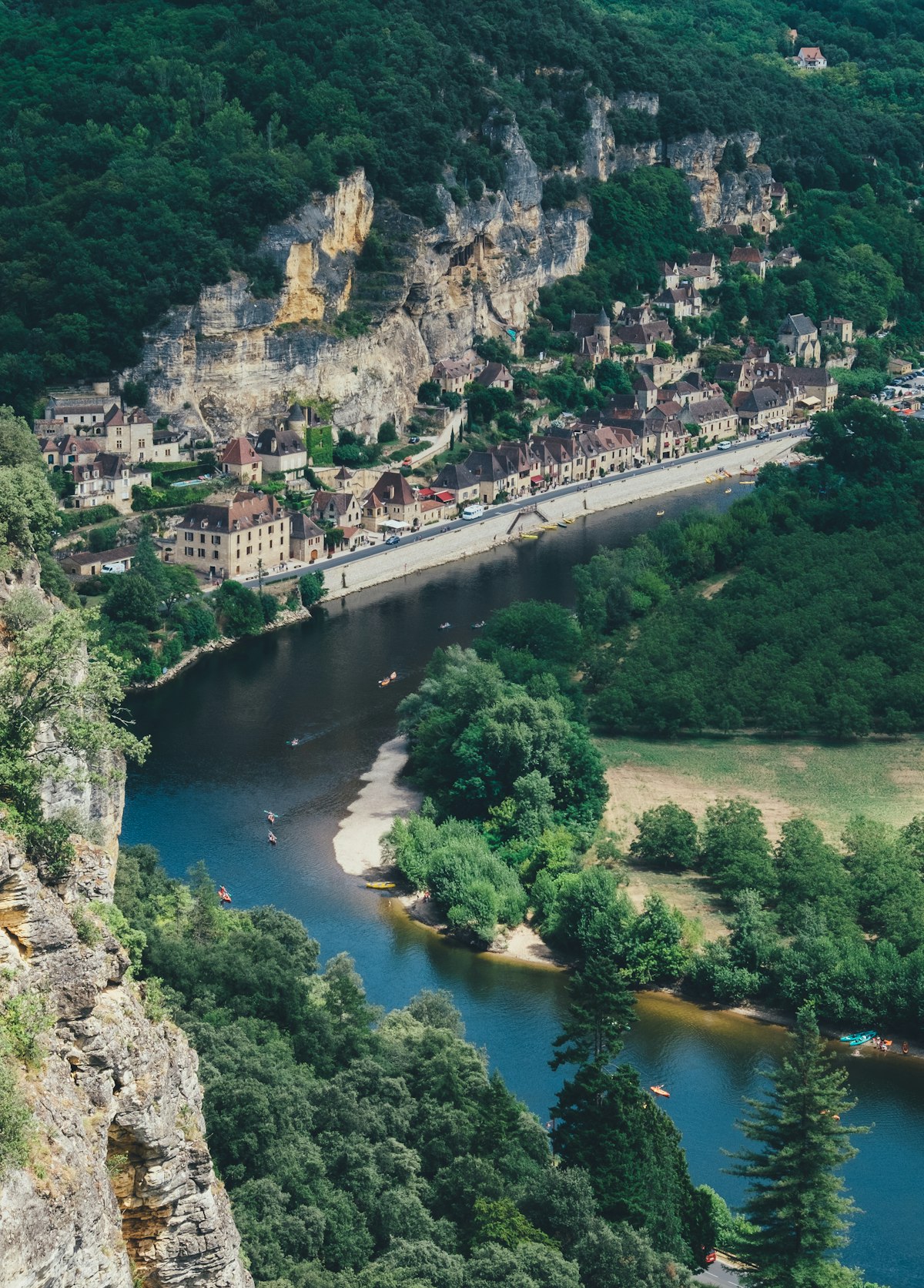
There is a moment, somewhere between the second glass of a local Bergerac red and the arrival of a plate of duck confit crisped exactly right, when you understand why the Dordogne holds such a quiet, fierce loyalty among the French themselves. This is not a region that needs to shout. Its honey-colored villages, its cliffs pierced with prehistoric caves, its rivers the color of pale jade, all of it simply waits to be noticed by travelers willing to slow down.
Most visitors know Dordogne, if at all, as the place with Lascaux's famous cave paintings. That is true, but it is also only the beginning of a region built almost entirely from small, extraordinary discoveries.
In This Guide
Sarlat-la-Caneda, the Region's Golden Heart
Sarlat is where most Dordogne trips begin, and for good reason. Its old town survived the centuries almost untouched, honey-toned limestone buildings, narrow lanes that twist without warning, and a Saturday market that spills across nearly every square in town. Locals still shop here for the week's produce, which means the stalls sell what's actually in season rather than what photographs well.
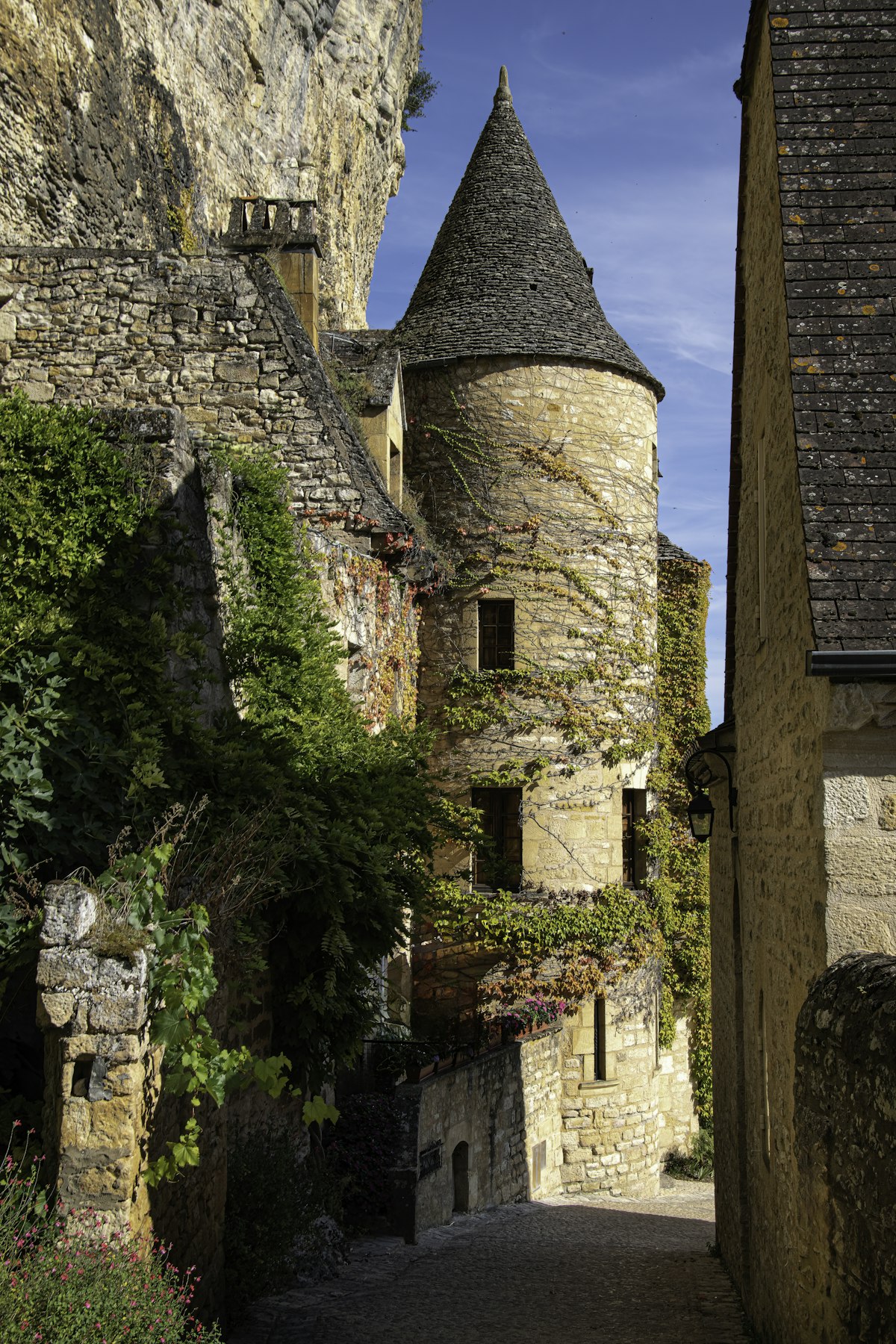
Come evening, the town empties of day-trippers and the golden stone catches the last light in a way that makes it easy to understand why filmmakers use Sarlat as a stand-in for medieval Paris. Wander without a map here; getting slightly lost is the whole point.
The Cliffside Villages Along the River
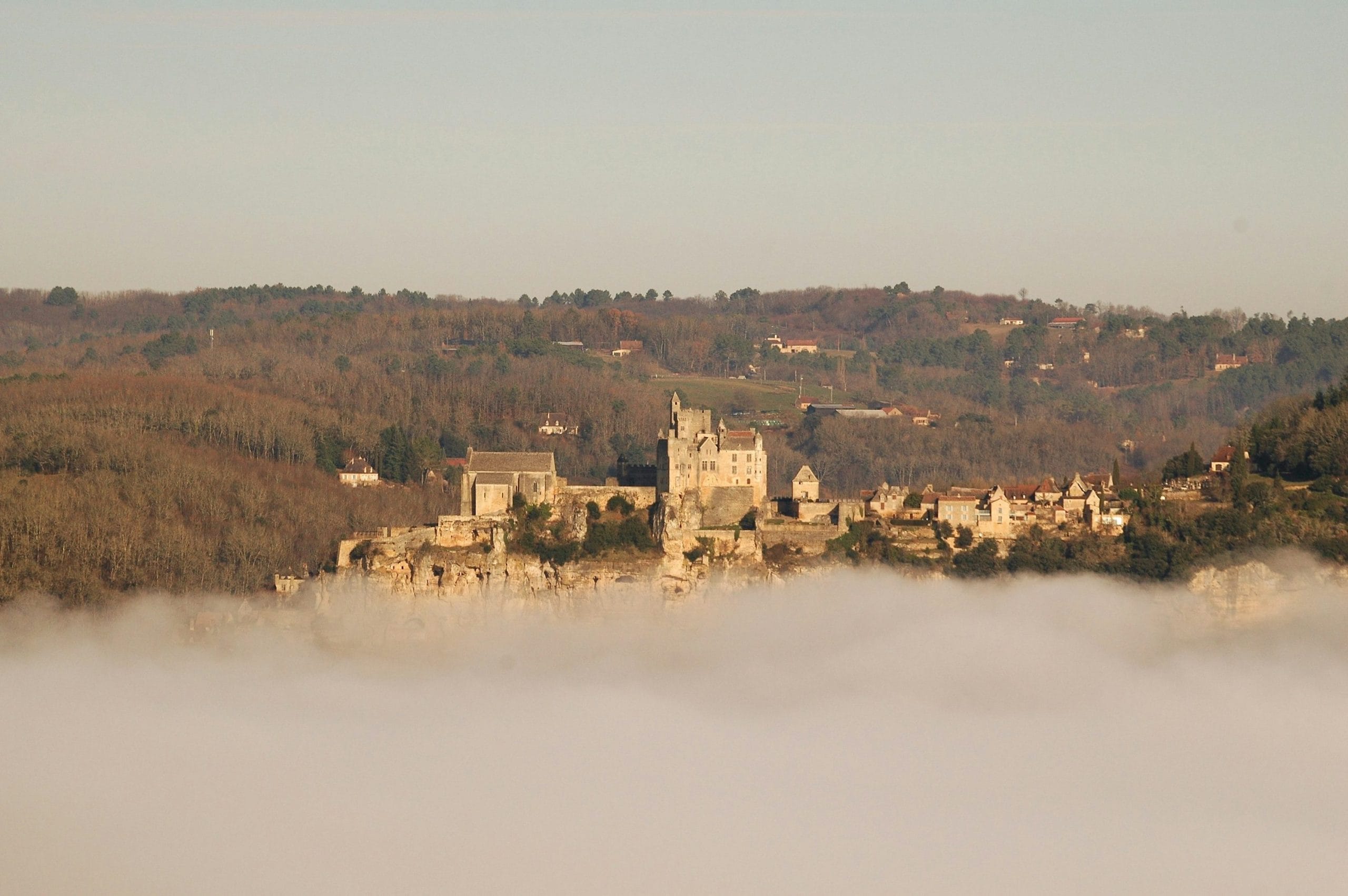
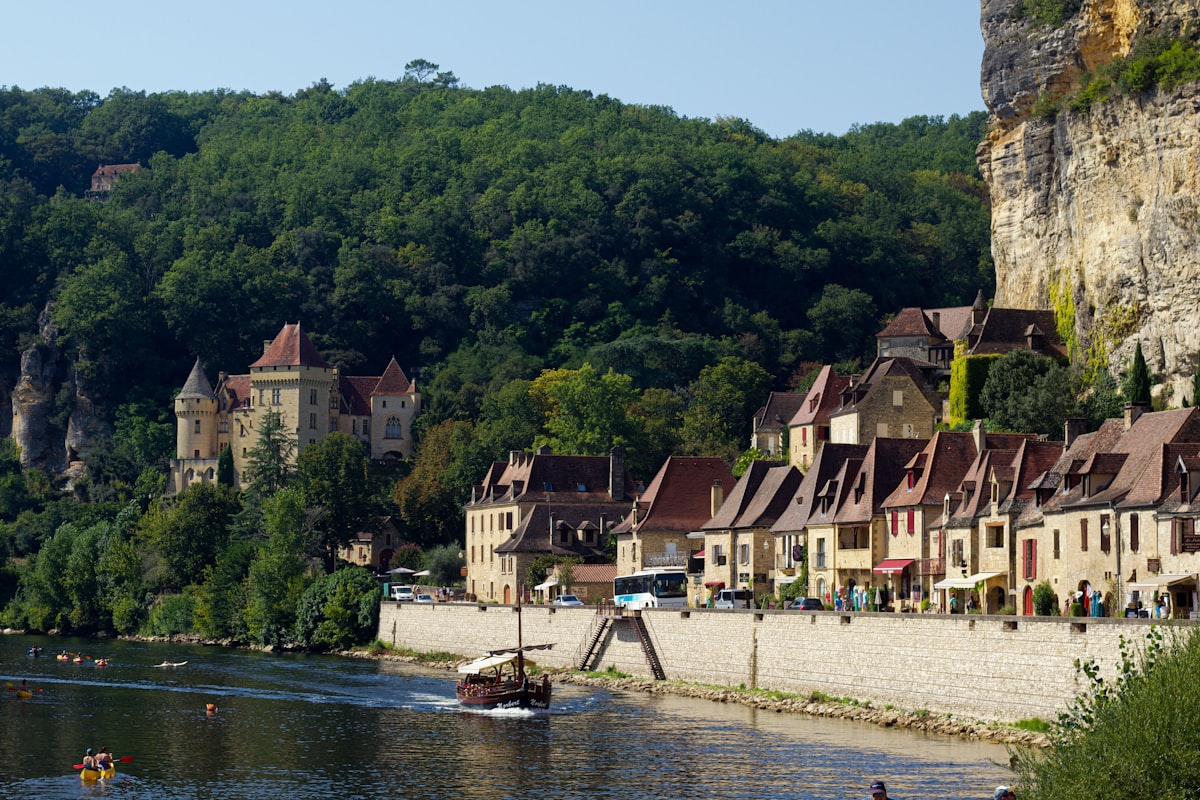
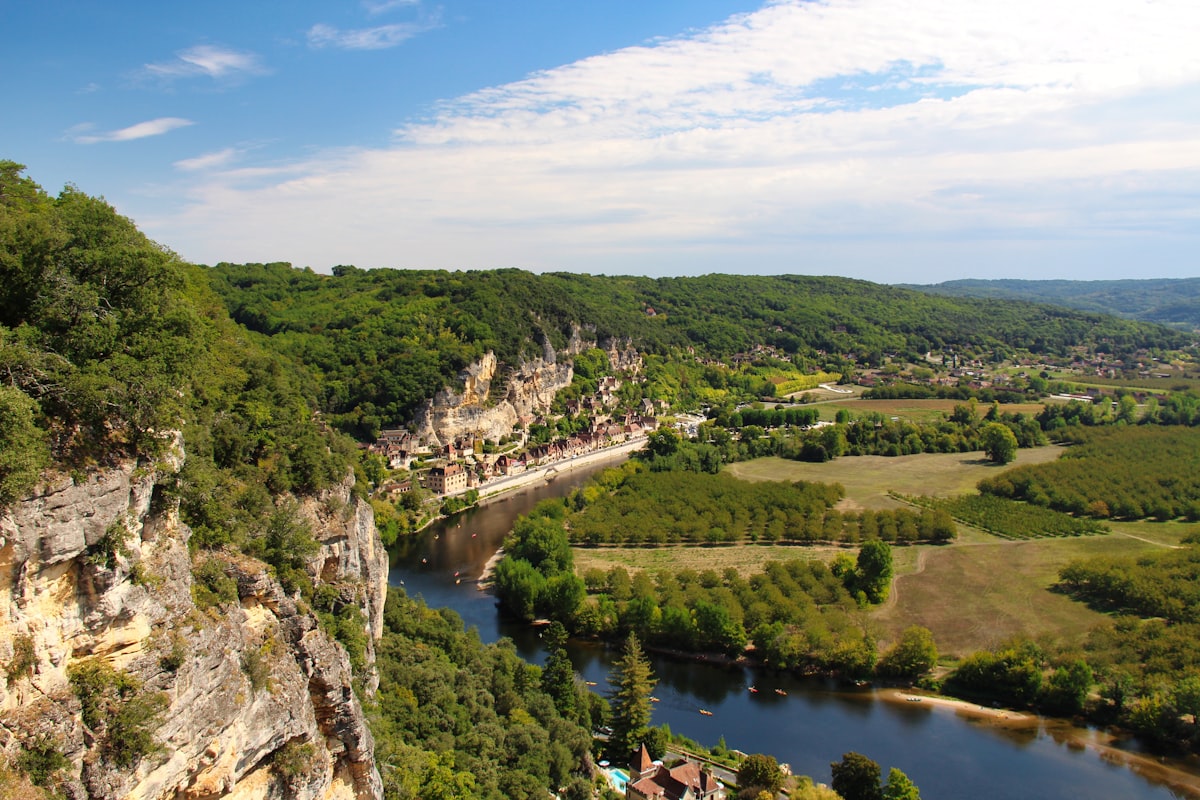
Downstream from Sarlat, the Dordogne River carves through a landscape that seems designed for postcards, except every scene is real. La Roque-Gageac clings to a cliff so directly that some houses appear carved from the rock itself. Domme sits higher still, a fortified bastide town with panoramic views over the entire valley, best reached slightly before sunset when the crowds thin.
La Roque-Gageac
Cliffside village, canoe launch point, golden stone houses
Domme
Hilltop bastide town, sweeping valley views, underground caves
Beynac-et-Cazenac
Medieval castle above the river, one of the region's best-preserved
Rocamadour
Pilgrimage village built vertically into a cliff face
The best way to see several of these villages in one day is by canoe. Outfitters along the river let you paddle downstream at your own pace, drifting past Beynac's castle walls, with pickup points spaced out so you can go as far as your arms allow. It remains one of the few travel experiences that manages to feel both active and completely unhurried.
The Dordogne does not ask to be conquered in a week. It asks to be returned to, slowly, one village and one meal at a time.
Lascaux and the Prehistoric Valley
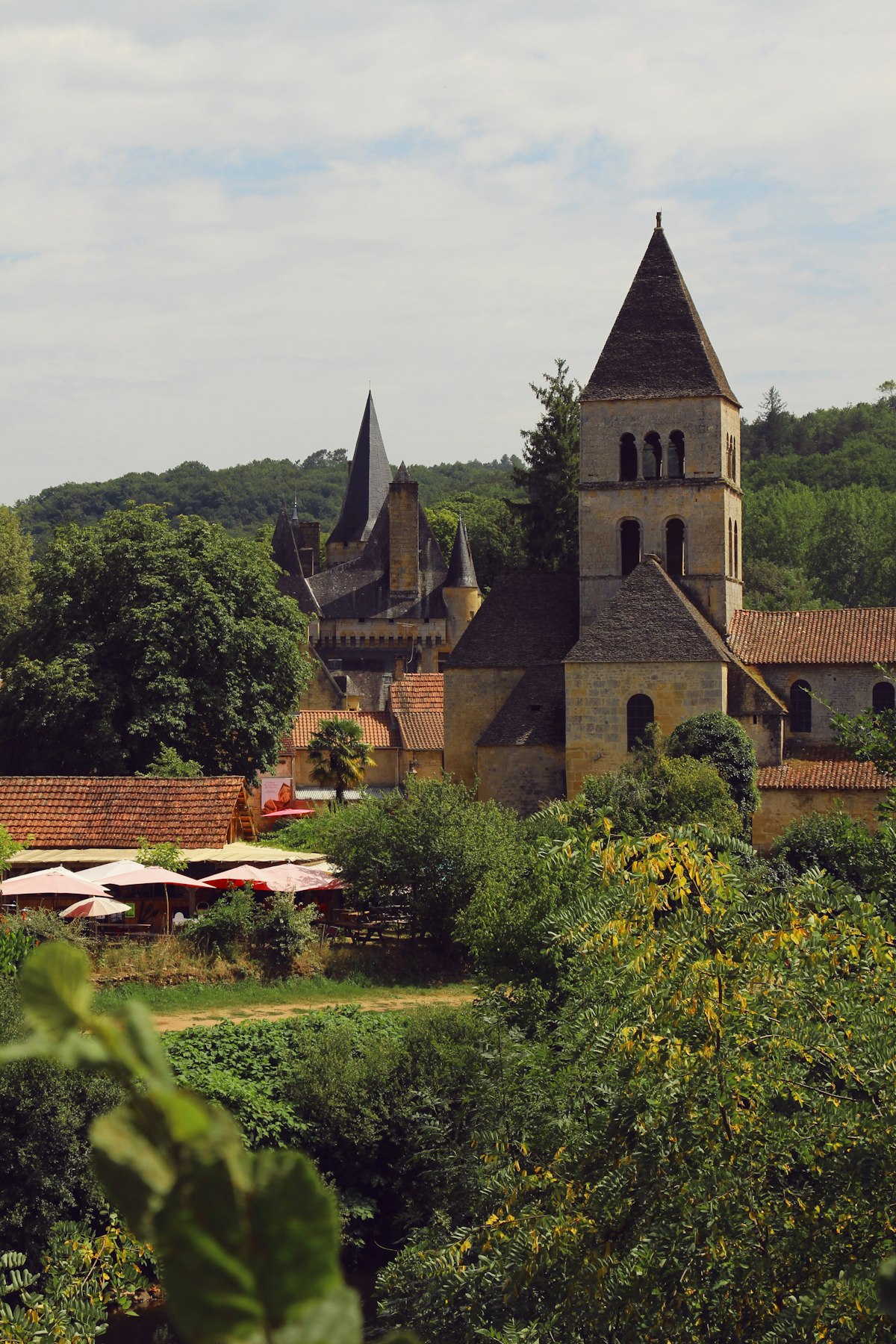
The Vezere Valley, a short drive from Sarlat, holds one of the densest concentrations of prehistoric sites in the world. The original Lascaux cave has been closed to the public since the 1960s to protect its 17,000-year-old paintings, but Lascaux IV, a meticulous full-scale reproduction, gives visitors an experience close enough to the original that archaeologists themselves consider it a legitimate way to encounter the art.
Booking ahead is essential here, tickets are timed and frequently sell out days in advance during summer. It's worth locking in access before you arrive rather than hoping for same-day availability. Sites that let you reserve skip-the-line tickets for Lascaux IV and the nearby National Prehistory Museum in Les Eyzies can save an entire wasted morning.
Duck, Truffles, and the Dordogne Table
This region built its reputation on duck, and by the second day of a Dordogne trip you'll likely have eaten more of it than in the rest of your life combined. Confit de canard, magret seared and sliced pink, foie gras that local producers still make in small family operations, all of it paired with dense, dark Bergerac wines that rarely make it onto export lists.
Autumn brings black truffles, and small towns like Sainte-Alvere host truffle markets where farmers sell directly from baskets, the smell alone worth the detour. If food is the reason you're visiting, plan around late autumn or winter rather than the height of summer.
Most travelers fly into Bordeaux or Toulouse and drive into the Dordogne from there.
Book Your Next FlightGetting Around and Timing Your Visit
A rental car is close to essential here; the villages that make this region special are rarely connected by convenient public transport. Bordeaux and Toulouse are the nearest major airports, each roughly a two-hour drive into the heart of the Dordogne.
- Visit in May, June, or September to avoid peak summer crowds and heat.
- Book canoe trips and cave tickets at least a week ahead in July and August.
- Stay in a village rather than Sarlat itself for a quieter, more local pace.
- Budget roughly $100 to $160 a day per person for mid-range meals and lodging.
For travelers combining the Dordogne with a wider French itinerary, sorting out flight connections and baggage details ahead of time is worth the extra ten minutes. TorontoBook.com covers exactly that kind of planning, particularly useful if you're routing through a secondary French airport rather than Paris.
The Dordogne rewards exactly the kind of trip most people don't plan for anymore, one without a packed itinerary, built instead around a long lunch, a slow paddle downriver, and a village square with nowhere in particular to be. Save this guide for your next French escape, and consider it a standing invitation to eat better than you have in years.